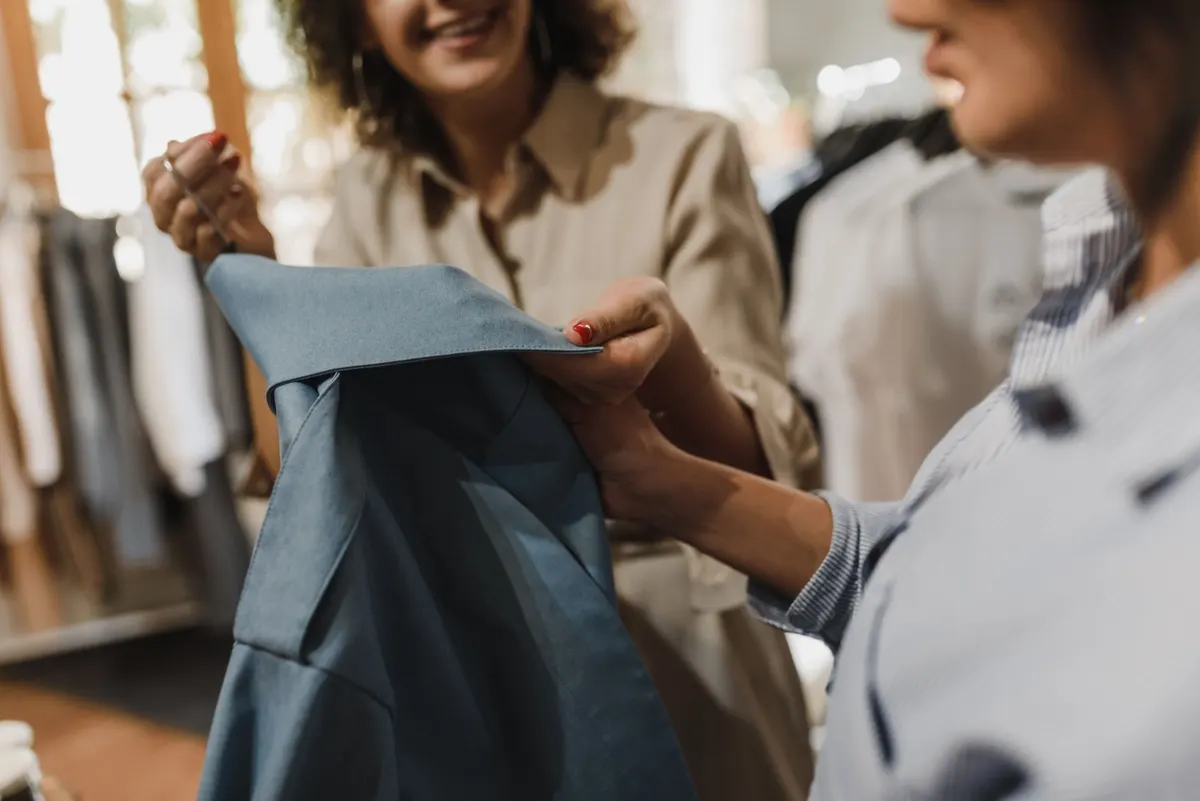
You are in a shop, or scrolling a product page, holding a coat you love. It looks great. But will it still look great after two winters? Knowing how to tell if clothes are well-made takes about five minutes and a few simple checks, and it can save you from buying the same piece again and again.
This guide gives you a 10-point checklist you can use in a shop or online. You don’t need to be a tailor. You just need to know where to look.
The short answer: Read the fibre label first. Then turn the piece inside out and check the seams and stitching, and look at small details like buttons, zips and lining. For shoes and bags, check the type of leather and whether the sole can be replaced. No single sign proves quality, so look for several good ones together.
Last updated: November 2026. These are rules of thumb drawn from industry and craft sources, not official standards. We list our sources at the end.
Jump to: Price and quality · The 10-point checklist · Quick table · Shopping online · Brands that show their workings · Sources
Does a higher price mean better quality?
Not always. A high price can pay for the brand name, the shop rent or the marketing just as much as for the making. And a lower price does not always mean poor quality. That is why it helps to check the garment itself instead of trusting the price tag.
What a price can tell you is a little more subtle: a well-made piece usually costs more to produce, so a very low price is a reason to look more closely.
The 10-point checklist
1. Read the fibre label first
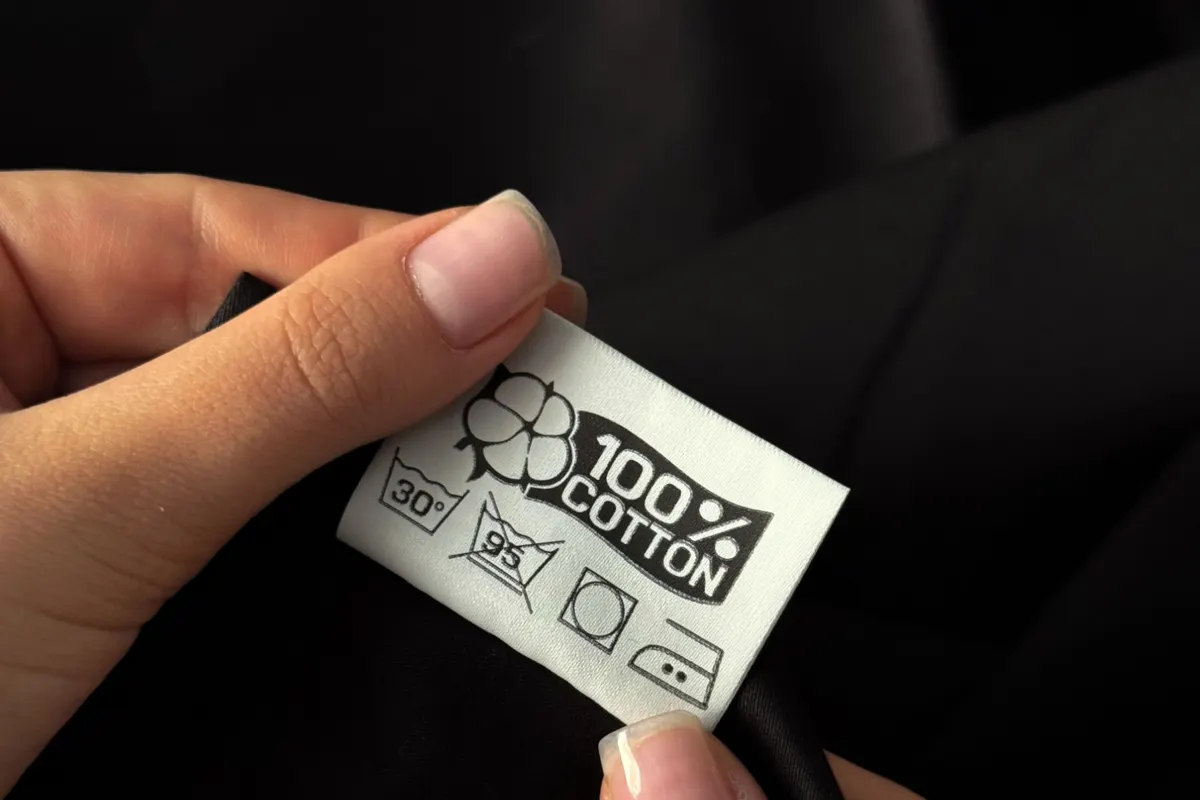
The label tells you more than the price tag. Find the fibre composition and ask what the main fibre is.
Natural fibres such as wool, cotton, linen and silk can last for years when the yarn and the construction are good. A small share of synthetic fibre, such as nylon in a sock or a knit, can add strength. What to watch for is a piece sold as “wool” that is mostly acrylic. One retailer guide to wool coats suggests aiming for about 80% wool or more, which is a handy rule of thumb.
Marketing words such as “luxury”, “premium” or “genuine” tell you nothing about the fibre. Only the composition does.
2. Feel the weight and test the spring-back
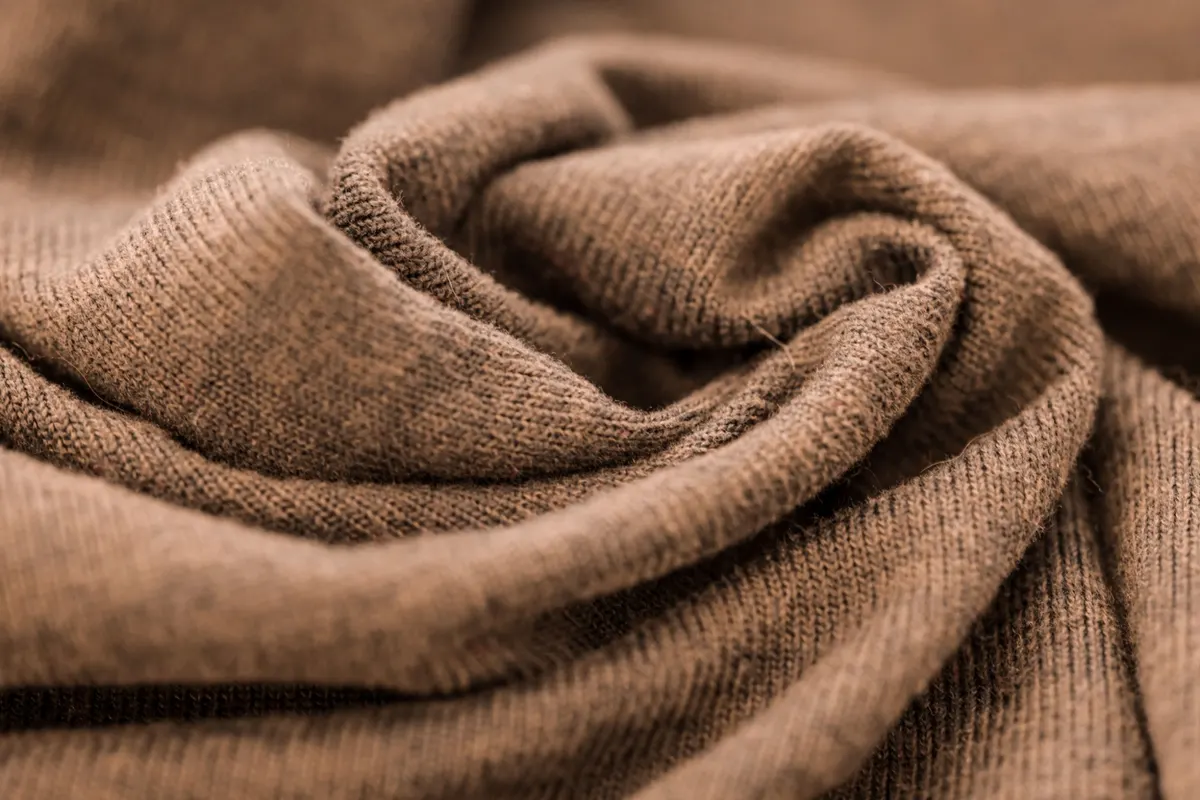
Hold the fabric. Does it feel substantial, or thin and papery? Then press a handful of it between your fingers and let go. Good wool and dense cotton tend to spring back. Fabric that stays creased, or feels limp, may wear out sooner.
Weight isn’t everything (summer linen is light by design), but a coat that feels flimsy is worth questioning.
3. Turn it inside out
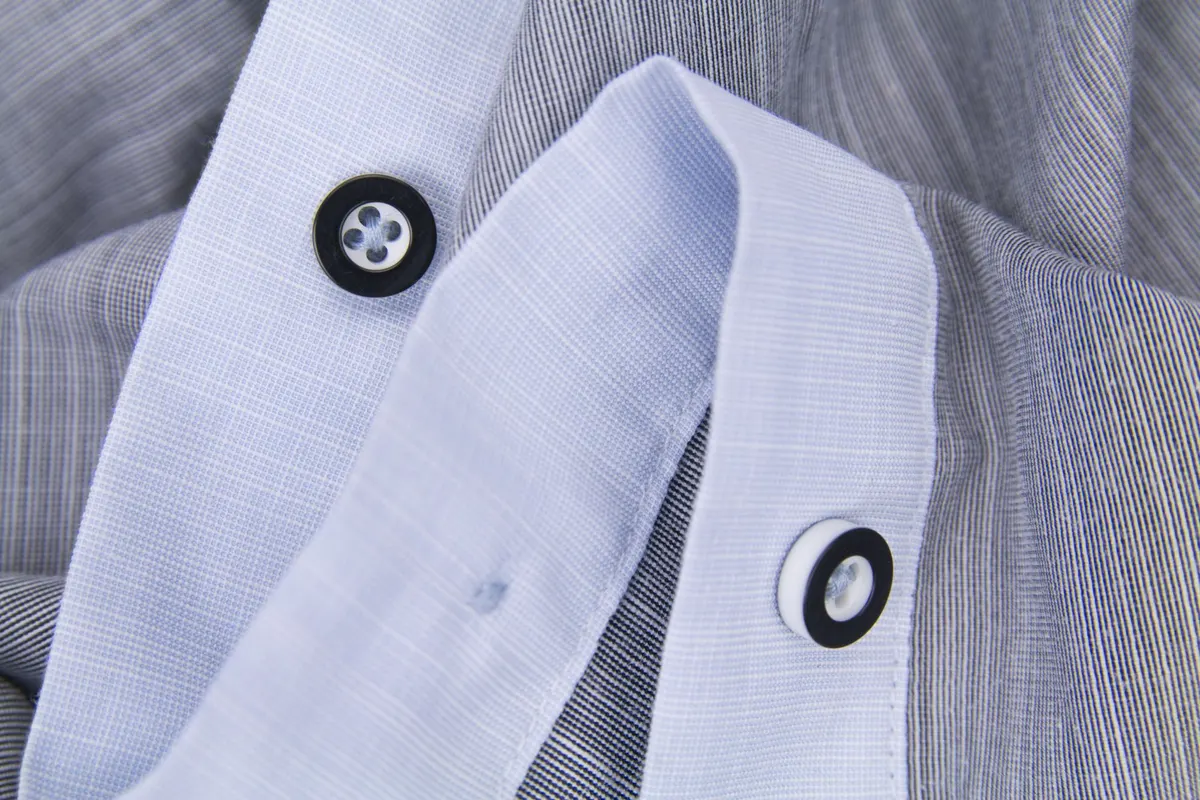
This is the most revealing check. Look at the seams. Are they straight? Are the raw edges tidy, folded or bound, or are they fraying? Are there loose threads?
Seams that are enclosed in a fold of fabric (often called felled seams) or finished neatly are a good sign. A tangle of loose threads is not. Brands that are proud of how they make things usually finish the inside too.
4. Count the stitches
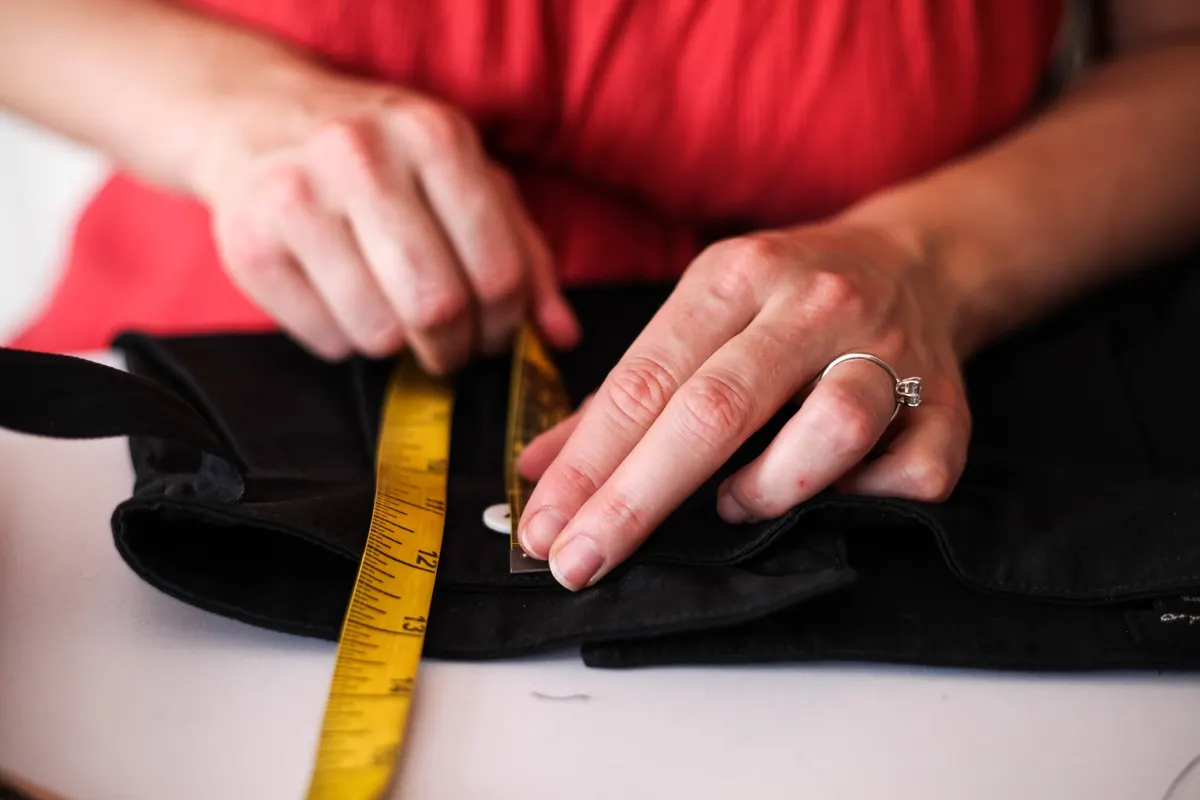
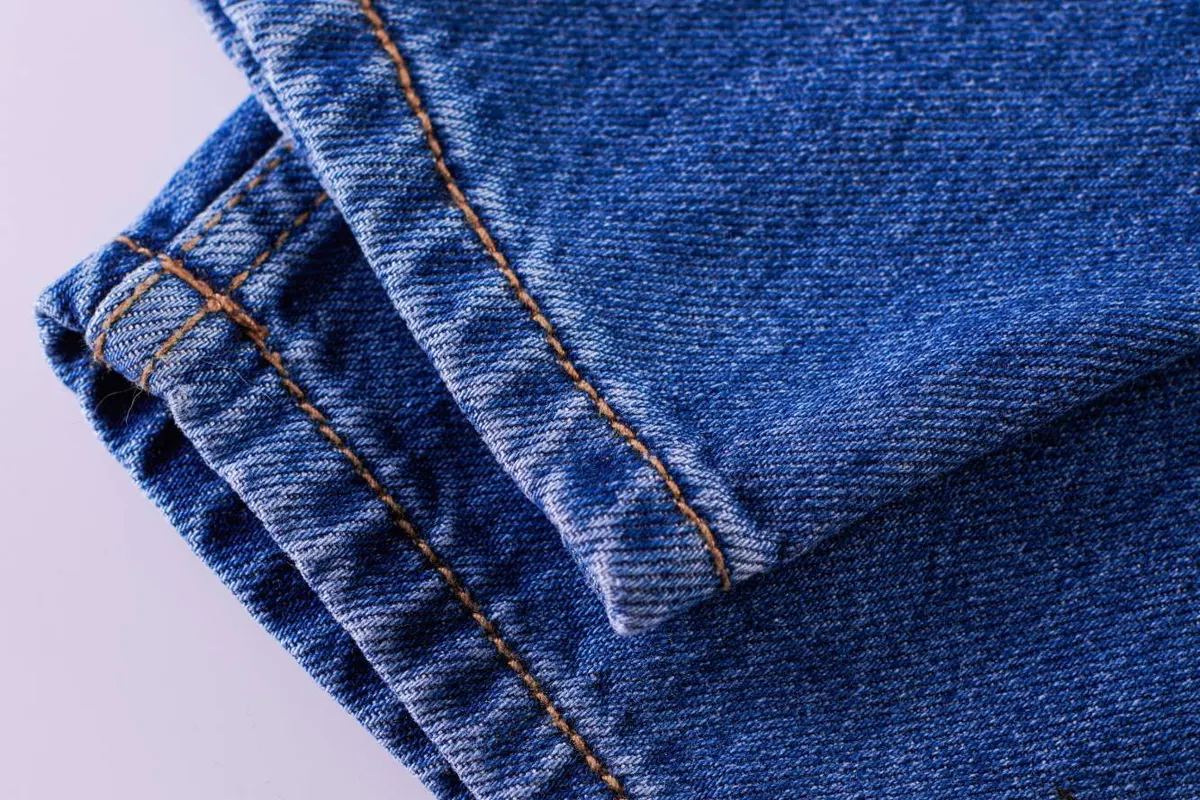
Take a ruler and count the stitches in one inch (2.5 cm) of a seam. As a rule of thumb from garment-industry sources, about 8 to 12 stitches per inch suggests solid construction on everyday clothes. Dress shirts are often higher, and heavy knits and denim can sit lower. Long, loose stitches are weaker and can come apart sooner.
Treat the numbers as a guide, not a rule: the right density depends on the fabric, and most of these figures come from industry sources, not an official standard.
5. Check the pattern matching
If the fabric has stripes, checks or a print, look at the seams, pockets and front opening. Do the lines meet up neatly? Matching a pattern takes extra fabric and time, so it is often a sign of care.
This one is our own rule of thumb, not a formal standard, so use it as one clue among several.
6. Test the buttons, zips and hardware
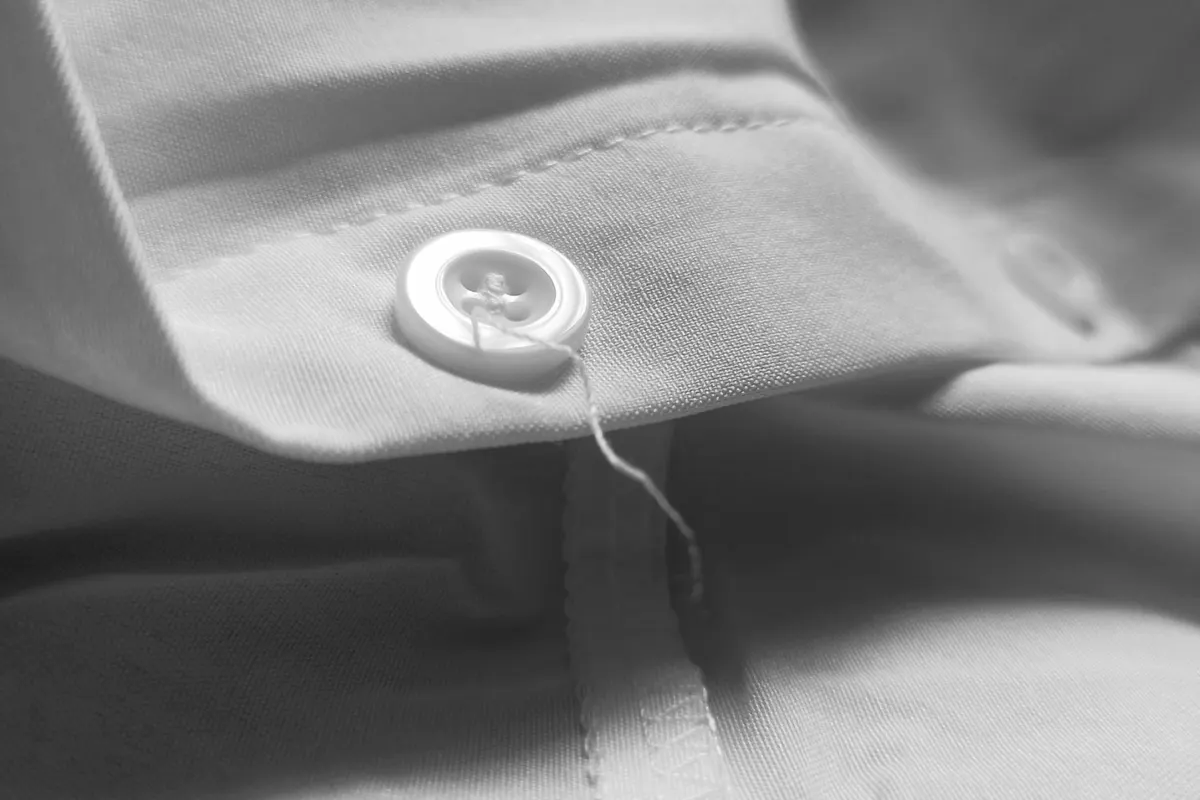
Look for buttons sewn on with a small thread “shank”, the little loop under the button that gives it room. Buttons sewn flat against the fabric can strain and pull through over time. Check whether there is a spare button, and look for loose threads around the buttons, like the one in the photo below.
Heavier materials such as horn, corozo (a plant-based nut), metal or mother-of-pearl are often seen as a better sign than light moulded plastic. Open and close the zip: it should run smoothly without catching. Tight, reinforced stitching at stress points such as pocket corners (often called bar tacks) is another good sign.
7. Look at the lining
On coats and jackets, a good lining is breathable and sewn in neatly. Fabrics such as cupro, Bemberg or viscose are often cited as better than thin polyester, which can feel clammy. Check that the lining isn’t pulling or puckering the outer fabric.
8. For knitwear: hold it to the light and stretch the cuff
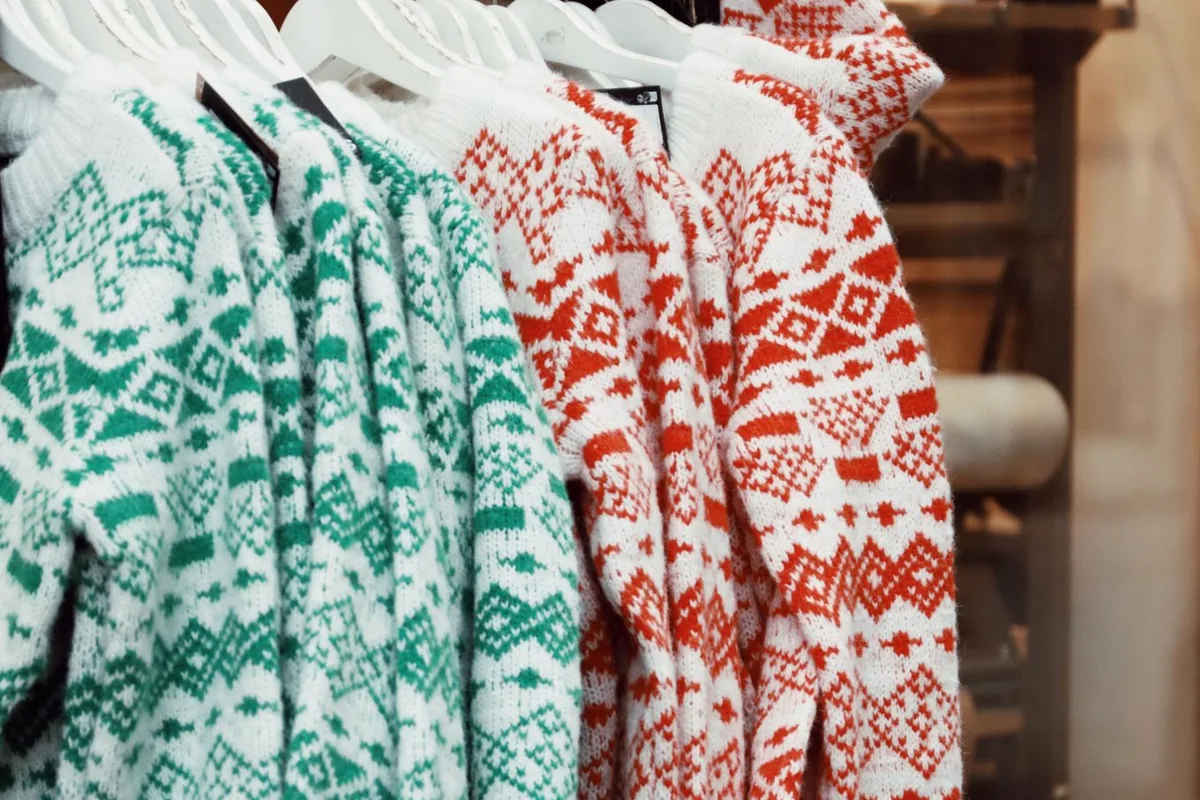
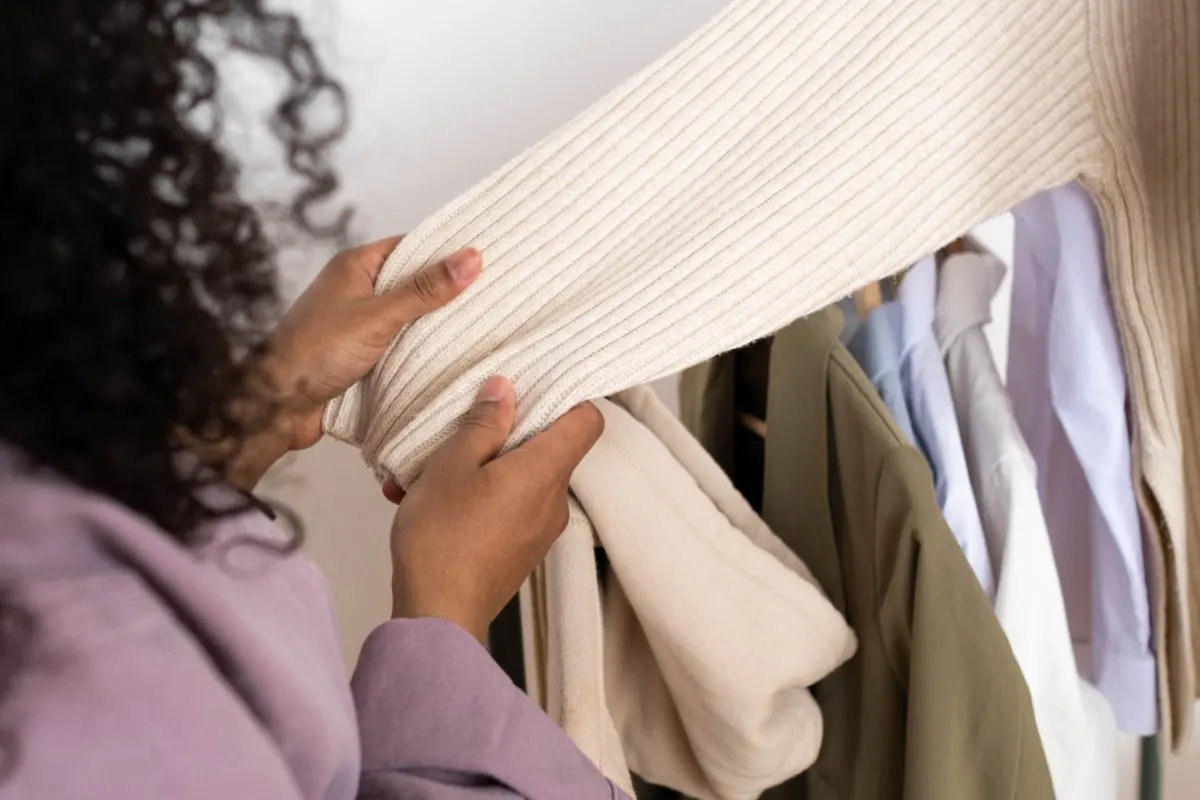
Knitwear is where quality is easy to see. Hold the sweater up to the light: a tighter, denser knit lets less light through. Gently stretch the cuff or hem: good ribbing springs back. Run a hand over the surface. A little fuzz is normal on soft wool, but heavy bobbles on a brand-new piece are a warning sign.
Some brands build knits differently. Woodling, for example, says it knits garments in one piece on 3D knitting machines, with no panels to sew together. For more on choosing wool, see our guide to Norwegian sweater brands.
9. For leather bags and shoes: check the grade and the sole
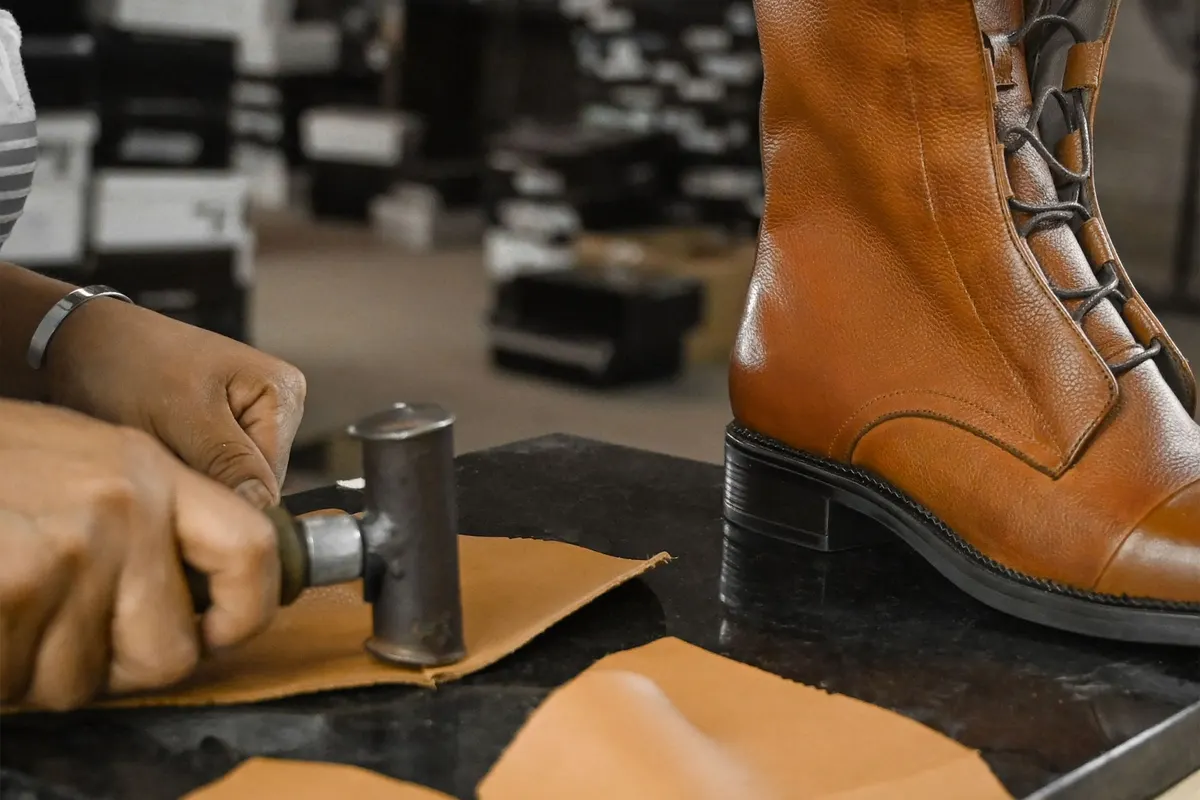
Leather grades are confusing, so here is the short version. Full-grain keeps the natural surface of the hide and is generally considered the most durable. Top-grain has had the surface sanded and is then coated. “Genuine leather” is real leather, but it usually comes from the lower layers of the hide, and it is a marketing term, not a quality guarantee. Look for a named grade, such as full-grain or vegetable-tanned, on the product page.
For shoes, check how the sole is attached. A Goodyear-welted shoe has a narrow strip of leather stitched between the upper and the sole, and can usually be resoled many times. A cemented shoe has the sole glued on and is harder to repair. Decorative stitching can imitate a welt, so check the product page or ask the brand.
10. Ask: can it be repaired?
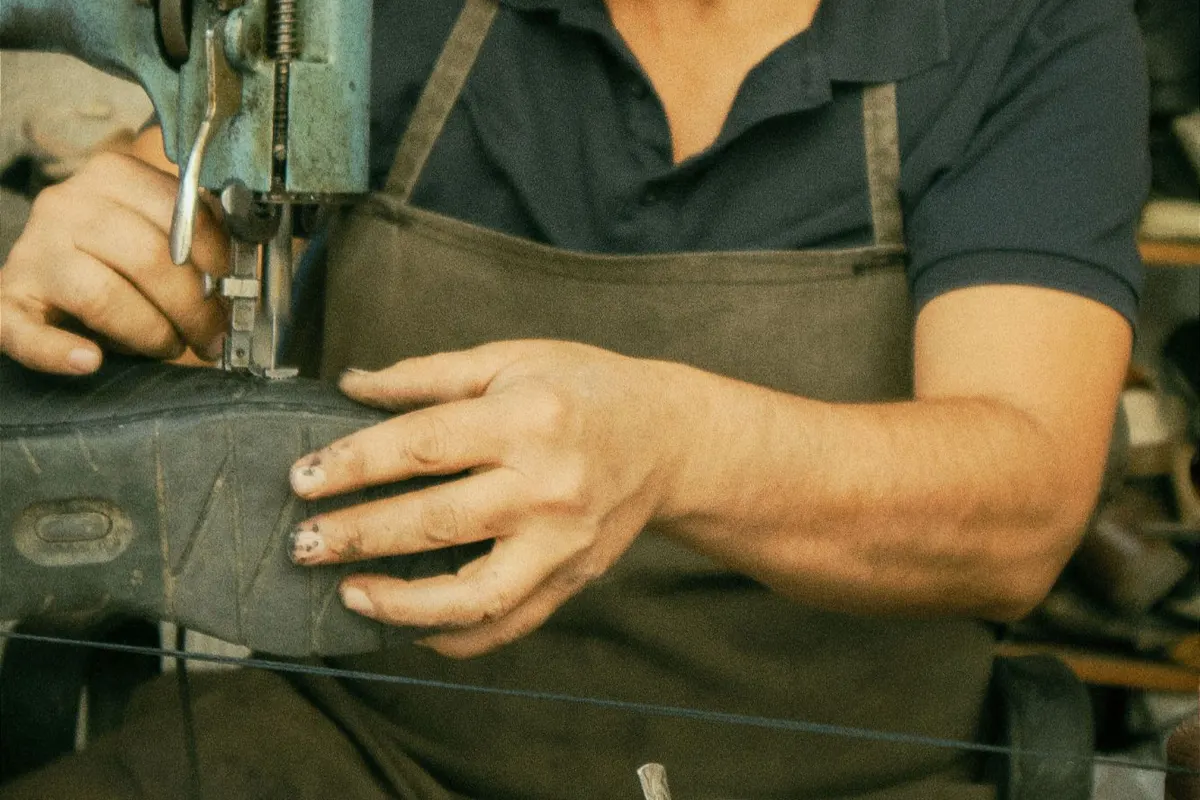
A well-made piece is one you can keep. Does the brand sell replacement buttons? Does it offer repairs or a warranty? The Norwegian denim label Livid, for example, says it offers a free first repair. Check the brand’s care and repair page before you buy.
Quick checklist table
Screenshot this one for the next time you shop.
| What to check | Good sign | Red flag |
|---|---|---|
| Fibre label | Mostly natural fibre or a clear blend; composition stated in full | Mostly acrylic sold as "wool"; only marketing words, no composition |
| Fabric | Feels substantial; springs back when pressed | Thin, papery or limp; stays creased |
| Seams (inside) | Straight, tidy, edges folded or bound; few loose threads | Frayed raw edges, wavy seams, loose threads |
| Stitching | Roughly 8 to 12 stitches per inch on everyday clothes | Long, loose stitches you can count easily; gaps |
| Pattern matching | Stripes or checks line up at seams and pockets | Lines clash or are cut off at the seams |
| Buttons, zips | Thread shank, spare button, smooth zip, reinforced corners | Buttons sewn flat, loose threads, zip that catches |
| Lining | Breathable (cupro, Bemberg, viscose), sewn in neatly | Thin polyester that puckers or clings |
| Knitwear | Dense knit, cuffs spring back, little pilling on a new piece | Light shows through, cuffs stay stretched, bobbles already |
| Leather | Grade named (full-grain, vegetable-tanned) | Only "genuine leather", with no grade given |
| Shoe soles | Stitched welt visible; resoling available | Glued sole, fake decorative stitching, no repair option |
| Repairs | Spare buttons, repair service or warranty | No care or repair information at all |
Checking quality when you shop online
You can’t touch the fabric online, but you can still check a lot:
- Read the full composition, not just the product title.
- Zoom in on the photos. Look at seams, hems, buttons and collars. Look for a picture of the inside of the garment.
- Read reviews for comments about washing, shrinking and pilling.
- Check the return policy, so you can test the checklist when the parcel arrives.
- Ask the brand a question. Brands that care about their products usually answer.
Brands that show their workings
It is much easier to judge quality when a brand explains how it works. These are examples from our directory, with what each brand says about itself. Always confirm on the brand’s own pages.
Repair and care
- Livid: says it offers a free first repair and has published its value chain since 2016.
- Nudie Jeans: says it makes denim to be worn for years and repaired rather than replaced.
- A.P.C.: best known for raw denim, and says it runs a denim repair program.
- Lisa Yang: makes cashmere, lists Grade A cashmere and says repair yarn is included.
Knitwear with a long history
- Dale of Norway: says it designs collections to last and that a well-cared-for garment can be passed on.
- Devold: has made Nordic wool since 1853 and runs its own factory in Lithuania.
- Saint James: says it has knitted Breton shirts and wool sweaters in Normandy since 1889.
- John Smedley: makes English knitwear at Lea Mills (since 1784) and lists fully-fashioned knitting.
- Johnstons of Elgin: says it has made cashmere, merino and tweed in Scotland since 1797, and is a certified B Corp.
- Woodling: says it knits garments in one piece on 3D knitting machines.
Clear about materials
- ATP Atelier: makes leather bags and shoes and lists vegetable-tanned leather, nappa and suede.
- Our Legacy: names the fabric on its product pages, and often where it comes from, such as Italian selvedge denim or Portuguese cotton jersey.
This isn’t a ranking. To see how we decide which brands to feature, read How We Choose the Brands We Feature or our methodology. And if you want the bigger picture on why this matters, see why buy European brands.
Start with something you already own
Pick one piece from your wardrobe and run the checklist on it. You will learn quickly what good looks like. Then take the same eyes to the shop. You may find you buy less, and keep what you buy for longer.
When you are ready to explore, browse our European brand directory to see what each brand makes and what it stands for.
Sources and caveats
These are rules of thumb. Several of the sources below are retailer or manufacturer blogs, so we treat their figures as guidance, not as official standards.