
TL;DR: We feature European brands chosen for quality, transparency, longevity, and the kind of character that’s hard to manufacture. We don’t feature every brand we find; most don’t make it. Here’s exactly what we look for and what disqualifies a brand.
There’s no shortage of European brands. There are thousands of them: skincare lines, fashion labels, homeware studios, jewelers, and ceramicists. Many of them are genuinely good, but most of them are completely invisible outside their home country.
The problem isn’t finding brands. It’s knowing which ones are worth your attention.
That’s the only question Euspree is trying to answer. Not “what’s popular” and not “what’s trending,” but “what would you actually want to own, use, and keep?”
Here’s how we decide.
What We’re Looking For
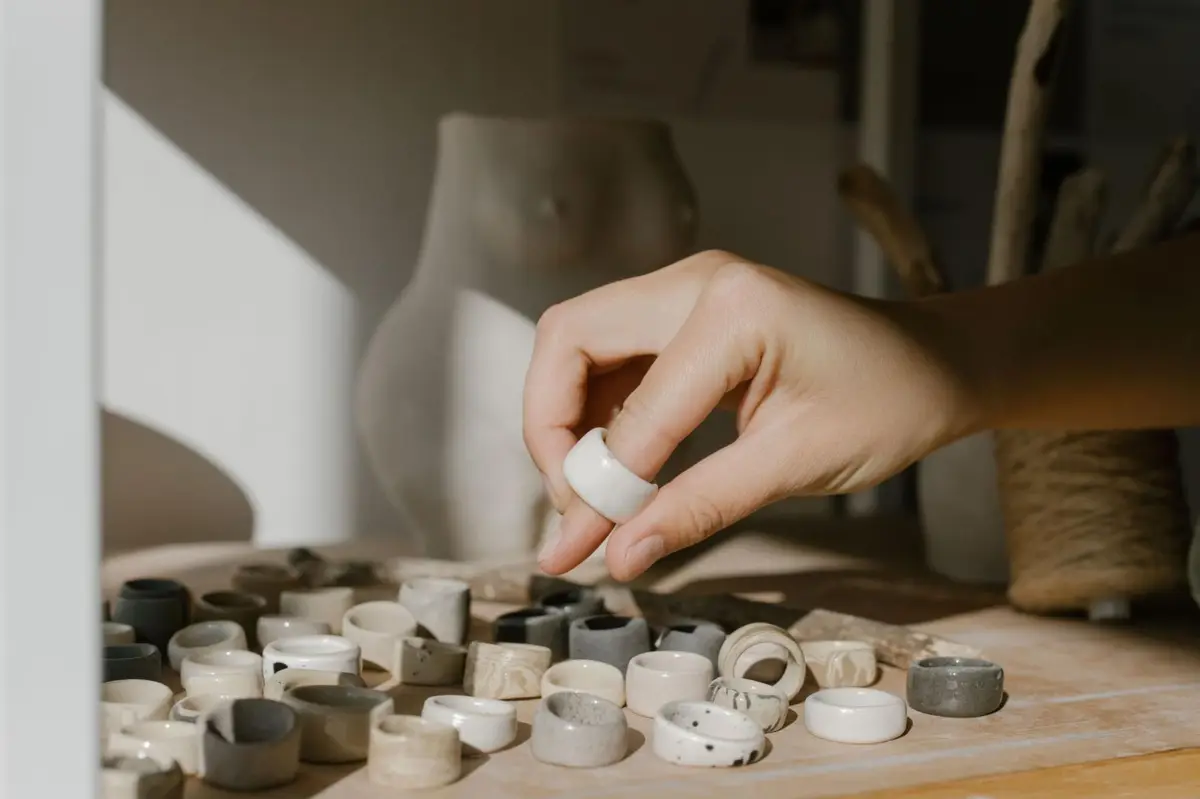
We look for brands where the quality lives in the object itself. We only keep well-designed, well-made products that are worth keeping for years.
Quality that doesn’t need explaining
The first filter is simple: does the product hold up? Not in a marketing sense but in a material sense. Is it made from ingredients or materials that justify its price? Is the construction honest? Would it still be worth owning in five years?
This sounds obvious, but it rules out a significant number of brands. Many European brands have excellent aesthetics and weak substance, beautiful packaging around a mediocre formula, or a well-photographed product that doesn’t survive regular use. We look for the opposite: products where the quality is in the thing itself, not in how it’s presented.
Transparency about what’s in it and where it comes from
We’re more interested in brands that can answer direct questions than in brands that have polished sustainability pages. Specifically, can they tell you what’s in the product, where the materials or ingredients came from, and how it was made, including subcontractors?
Brands that disclose this tend to produce better products. Transparency and quality correlate strongly, not because honest brands are morally superior, but because brands with nothing to hide have usually made the harder production choices that produce something genuinely good.
European origin and genuine craft tradition
Every brand we feature is based in Europe. But that’s the starting point, not the conclusion. We’re specifically interested in brands that draw on regional craft traditions, not just those that happen to be headquartered in a European city.
What does that look like in practice? A leather goods brand in Florence that uses vegetable tanning. A Danish furniture maker whose design philosophy is rooted in Scandinavian functionalism. A French skincare brand using botanicals with documented regional sourcing. The connection to place adds something that globalized production can’t replicate, and it’s usually where the most interesting brands come from.
Longevity over novelty
We’re not a trend publication. The brands we feature should still be worth owning in five years, which means we actively avoid brands built around seasonal cycles, limited-edition drops, or designs tied to a specific cultural moment.
Timeless design, solid materials, and products that don’t need replacing: these are the criteria that matter more to us than newness. If a brand releases a new collection every six weeks, that’s usually a signal that the product isn’t built to last.
Worldwide or EU shipping
There’s no point in discovering a brand you can’t buy. We only feature brands that ship worldwide or at a minimum across the EU. If we can’t order it, it doesn’t appear in the directory.
The “worth showing to someone” test
This one is harder to quantify. Every brand we consider goes through an informal test: would we show this to someone whose taste we respect and feel confident recommending it? Would we buy it ourselves?
This filters out brands that are technically fine but forgettable — the kind that fill up a directory without adding anything to it. We’d rather feature 50 brands we believe in than 500 that just meet the minimum criteria.
What Disqualifies a Brand
This is as important as what we look for. Brands don’t make the cut if:
✕ The quality claim is the packaging. Beautiful branding around an ordinary product. If the substance doesn’t match the presentation, it’s out.
✕ The sustainability story is a marketing layer. Vague claims like “eco-friendly,” “conscious,” or “clean” with nothing behind them. We look for specific, verifiable practices. The EU’s own research found that 42% of green claims made by brands are exaggerated or unsubstantiated. We treat unsubstantiated claims as a disqualifying signal.
✕ The brand is trend-dependent. If the brand’s identity is built entirely around a current aesthetic moment (a specific color palette, a viral silhouette, a social media format), it’s unlikely to be worth featuring. Products built for the algorithm rarely hold up in real life.
✕ There’s no transparency on production. If a brand can’t or won’t say where its products are made, who makes them, or what’s in them, we don’t feature it. Opacity is usually a signal that something in the supply chain wouldn’t survive scrutiny.
✕ It doesn’t ship. Simple rule: if the reader can’t buy it, we don’t list it.
How We Find Brands
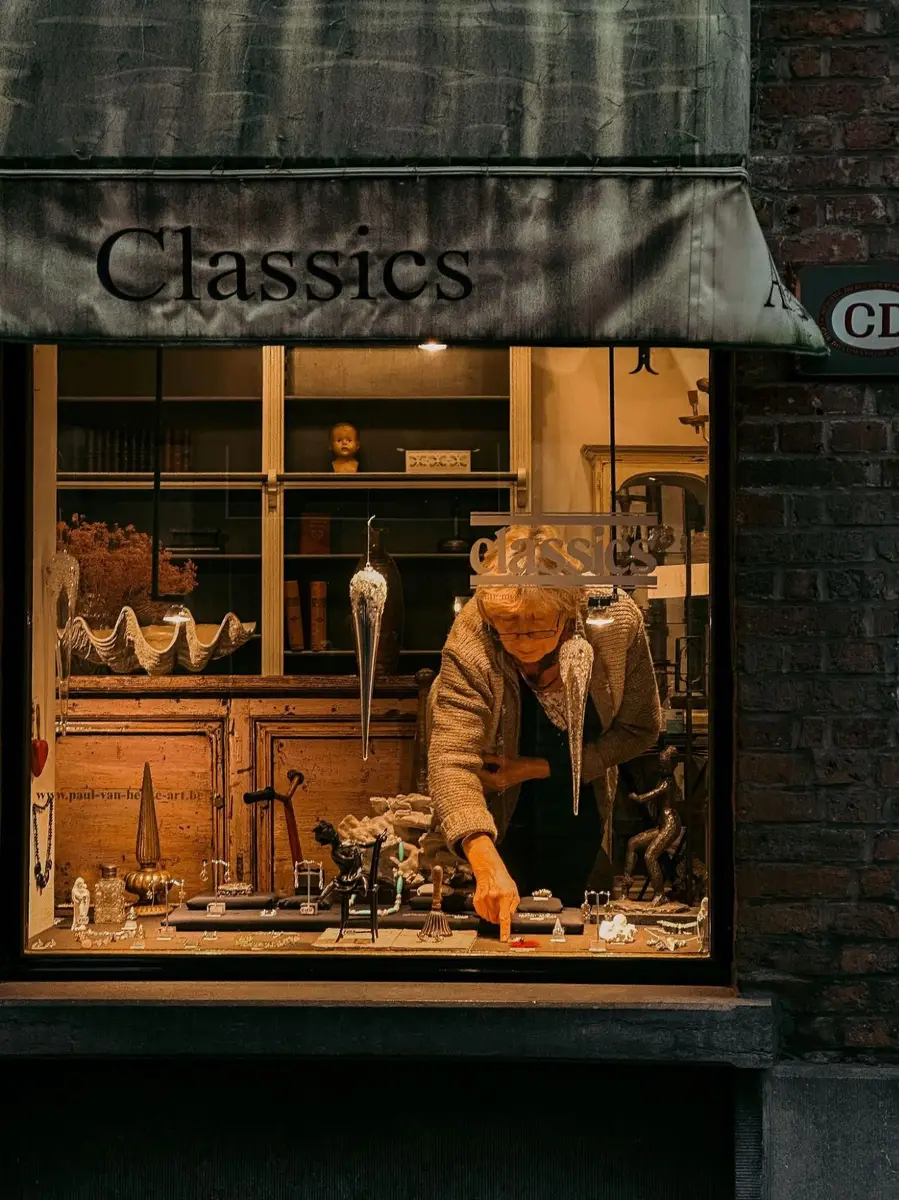
Some of the best finds are brands trusted locally for decades, invisible internationally until someone looks.
We find brands through three main channels:
Research and communities. We follow European design, fashion, and beauty communities via online forums, niche publications, local press in European countries, and the kind of slow-burn word-of-mouth that happens in cities before a brand reaches international attention.
Travel and local discovery. Some of the best finds are brands that are well-known and trusted in their home country but invisible internationally. We want to share genuine and valuable brands and the people behind them. Our job is to discover a ceramicist in Portugal whose work is sold in every serious homeware shop in Lisbon or a German skincare brand that’s been a pharmacy staple for decades.
Reader suggestions. If you know a brand that should be here, we want to hear about it. We review every suggestion seriously. Most don’t make it, but the ones that do are often the strongest additions to the directory.
What We Don’t Do
- We don't feature brands because they pay us. There is no sponsored placement in the directory. Brands can't buy their way in.
- We don't feature brands based on follower counts or social media presence. A large Instagram following is not a quality signal. If anything, brands that have grown primarily through social media are scrutinized more carefully, not less.
- We don't pretend every brand we feature is perfect. Some are stronger in quality, others in sustainability; some are still developing. We try to give an honest picture rather than a uniformly positive one. If we notice a gap in a brand's story, we'd rather acknowledge it than ignore it.
A Note on Affiliate Links
A note on affiliate links. Some of the links in our directory and blog posts are affiliate links. If you buy something through one of those links, we may earn a small commission at no extra cost to you. This doesn’t affect which brands we feature. We only link to brands that have already met our curation criteria. The affiliate relationship comes after the editorial decision, not before it. Brands we wouldn’t recommend don’t appear in the directory regardless of whether an affiliate program exists.
Final Thought
“Curation only means something if it’s honest. The goal isn’t to build the biggest directory of European brands but to build the most trustworthy one.”
Every brand in the directory was chosen because someone here thought it was genuinely worth your attention. That’s the only criterion that ultimately matters.
Browse the full directory, or keep reading to understand more about what makes European brands different:
- Why buy European brands?
- Are European brands more sustainable?
- EU vs US cosmetic regulations
- European organic ingredients explained
Browse the full directory Every brand was chosen because someone here thought it was genuinely worth your attention. That’s the only criterion that ultimately matters. Explore the directory ↗