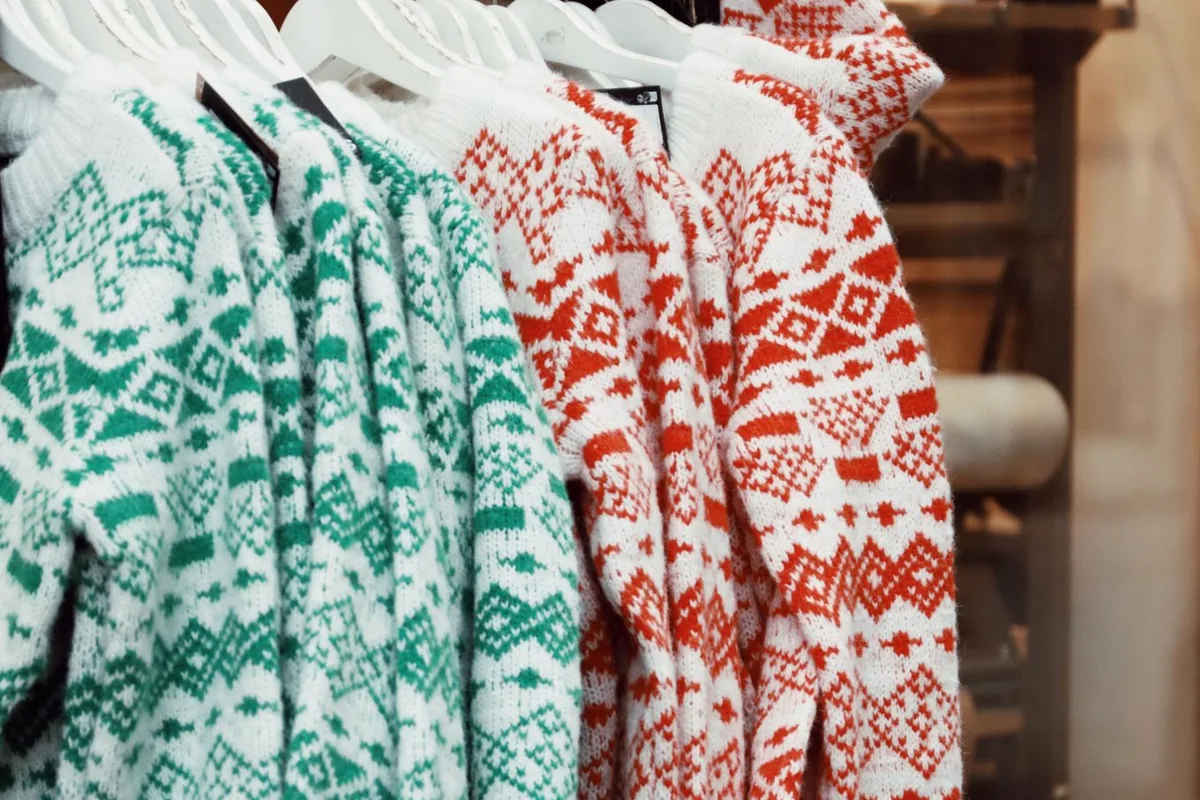
A Norwegian sweater is not one thing. It can be a patterned ski-team classic, a fisherman’s crew neck, a soft mohair jumper from a family farm, or a fleece-lined layer from an Oslo label. What they share is the starting point: cold, wet winters and a long habit of making wool do the work.
For a US shopper, the practical questions come second only to the style ones. Does the brand ship to the US? Are duties included? Is the wool itch-free enough to wear all day? This guide covers five Norwegian labels from Euspree’s directory, then five more worth knowing, with the shipping facts we have checked and the ones we haven’t.
If you are also exploring the wider region, our Scandinavian fashion guide puts Norwegian knitwear next to Swedish and Danish labels.
Quick picks
- Classic patterned sweater, easiest to buy from the US: Dale of Norway (US store, duties included).
- Soft, modern jumpers from a small producer: Woodling.
- Fisherman-style wool: Devold, but it does not currently ship to the US.
- Knitwear with a fashion edge: Holzweiler (duties charged on delivery).
- A jumper from an outdoor specialist: Bergans, which sells in Europe only.
What makes a Norwegian sweater
Three things recur: wool, pattern, and purpose. Wool because of the climate. Pattern because Norwegian valleys each developed their own motifs. Purpose because the sweater is usually a working layer first and a style piece second.
The patterns worth knowing
- Setesdal and the lusekofte. Named for the Setesdal valley in southern Norway. The classic form is a cardigan with a bold black-and-white pattern, often closed with pewter clasps. The Norwegian name lusekofte is often translated as “lice jacket,” after the small dotted pattern. Dale of Norway’s Setesdal Clasp Wool Cardigan follows this form.
- Selbu. From Selbu in Trøndelag. Its signature motif is the Selburose, an eight-pointed star seen on sweaters, mittens, and hats.
- Fana. A traditional pattern named for the Fana district near Bergen.
- Marius. A twentieth-century sweater based on Setesdal-style patterns and worked in the red, white, and blue of the Norwegian flag. Several makers sell a Marius-style sweater, so check the brand’s own description.
- Fisherman knits (Islender). Compact geometric patterns in off-white and grey on a crew neck. Devold’s Original Islender is the reference piece.
- Nordic yoke sweaters. A patterned band around the shoulders on a plain body, such as Dale’s Cortina 1956 and Peace sweaters.
- Reworked folk motifs. Modern labels like Woodling and Holzweiler use traditional diamonds and bands in softer colors and looser shapes.
A common mix-up: an Islender and a lusekofte are different garments. The Islender is a pullover in a fisherman’s style, while the lusekofte is a Setesdal cardigan tied to folk costume. They are often used interchangeably in shops and listings.
Norwegian knitting has a long history. Knitted garments found in Norway have been dated to roughly 1476 to 1525, and the craft is generally traced to the 16th century. See the Norwegian knitting overview on Wikipedia and the Marius sweater entry for more.
Norwegian wool vs merino and other wools
“Wool” covers very different fibers. The main difference is fineness, measured in microns: a lower number means a finer, softer fiber. Dale of Norway’s wool guide publishes micron figures for the wool it uses, which makes a useful yardstick:
| Wool | Fineness (Dale of Norway's figures) | Feel and behavior | Best for |
|---|---|---|---|
| Norwegian wool | About 30.5 to 33.5 microns | Thicker, crisp, with body and bulk; hard-wearing | Outer-layer sweaters and patterned jacquard knits |
| Crossbred wool (South America) | About 27 microns | Softer than Norwegian wool, still with some body | Mid-layers |
| Merino | About 16.5 to 20.5 microns | Fine, soft, light; suited to skin contact | Baselayers, light sweaters, scarves |
| Mohair and alpaca blends | Not stated (blends vary) | Light, fluffy, with a soft halo | Soft, expressive jumpers and cardigans |
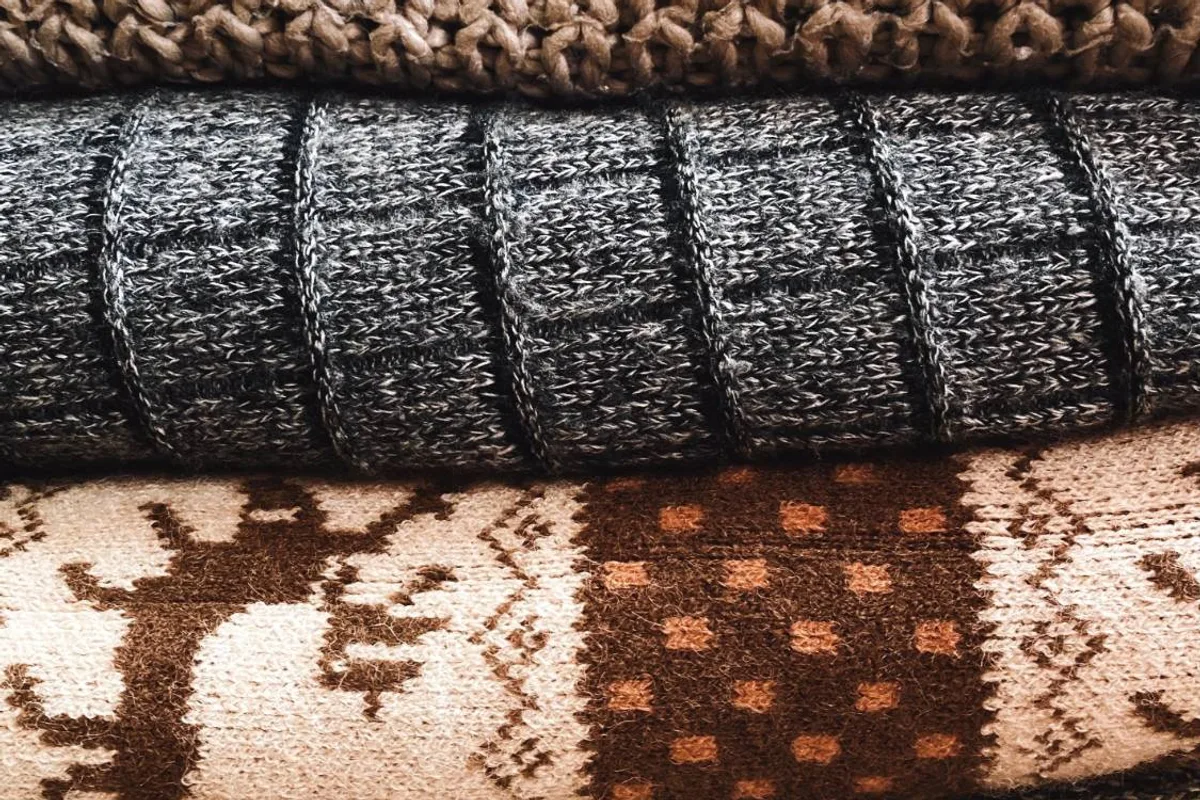
What “Norwegian wool” means. It generally refers to wool from sheep that graze on Norwegian pastures and mountains. Norwegian wool experts describe the fiber as thicker, with more body and a distinctive crimp, and credit the cool climate and varied diet. It is typically spun into sturdy yarns that hold a crisp pattern, which is why it suits colorwork and outer-layer sweaters. A wool authority quoted in a Visit Norway article on Norwegian wool says it is stronger and more durable than typical merino. That is an expert’s view, not an independent test, so treat it as a reasonable expectation, not a guarantee.
Merino comes from a different sheep breed raised mainly in warmer, drier regions. Dale of Norway says its merino is sourced from certified farms in South America, New Zealand, and Australia. The fiber is finer, so it feels softer and lighter, which is why it is the standard for baselayers and next-to-skin knits. It usually has less bulk and body than Norwegian wool.
Lambswool comes from a sheep’s first shearing and is finer and softer than later clips. Dale’s Norwegian “Njord” wool is made from first-shearing wool. Bergans’ Steiro jumper uses RWS-certified lambswool.
Mohair and alpaca are not sheep’s wool. They come from the angora goat and the alpaca, and they are usually blended with wool or other fibers. They give the soft, fluffy surface seen in Woodling’s mohair and alpaca-blend jumpers.
Is Norwegian wool itchy? Not necessarily, but it is more likely to feel firm against bare skin than merino. The same wool expert calls it a myth that all Norwegian wool itches. If you are sensitive, choose a lambswool or merino blend, or wear a thin base layer.
What to check on the label. The phrase “Norwegian wool” is a marketing term, and we found no single standard definition for it. Read the fiber composition, and note whether the brand names the wool’s origin. Some pieces are blends, and a “wool” sweater can be a mix of wool and other fibers.
Five Norwegian sweater brands on Euspree
| Brand | Founded | Best for | Example price (official listing) | US shipping and duties |
|---|---|---|---|---|
| Dale of Norway | 1879 | Patterned wool sweaters and cardigans | $370 (Cortina 1956 sweater) to $430 (Setesdal jacket) | US store, UPS flat $12, duties included (DDP) |
| Devold | 1853 | Fisherman sweaters, merino layers | 180 euros (Original Islender); no US shipping | Does not currently ship to the US |
| Woodling | 2006 | Soft jumpers, cardigans, vests | 2,499 NOK (Thea Jacquard Jumper) | Ships from Norway, flat 250 NOK; duties may apply |
| Holzweiler | 2012 | Knitwear with an Oslo fashion edge | Not checked | Ships to the US DAP; duties charged on delivery |
| Bergans of Norway | 1908 | Outdoor layers and a lambswool jumper | Not checked | No US store; EU shipping only |
Shipping and duty details reflect our brand directory entries, last verified in October 2026. Example prices are single official listings checked in October 2026, not averages, and they change.
Each label, in detail
Dale of Norway: patterned wool with Olympic heritage
Founded 1879 · Premium
Dale of Norway began in the village of Dale, near Bergen, and is best known for patterned sweaters and its Olympic styles. Panels are knitted in Dale using hydropower, with assembly and finishing in Norway and Poland. The range runs from the Cortina 1956 Wool Sweater to the Christiania Red Merino Jacket, the Peace Nordic Wool Sweater, and the Setesdal Clasp Wool Cardigan. Explore the US store.
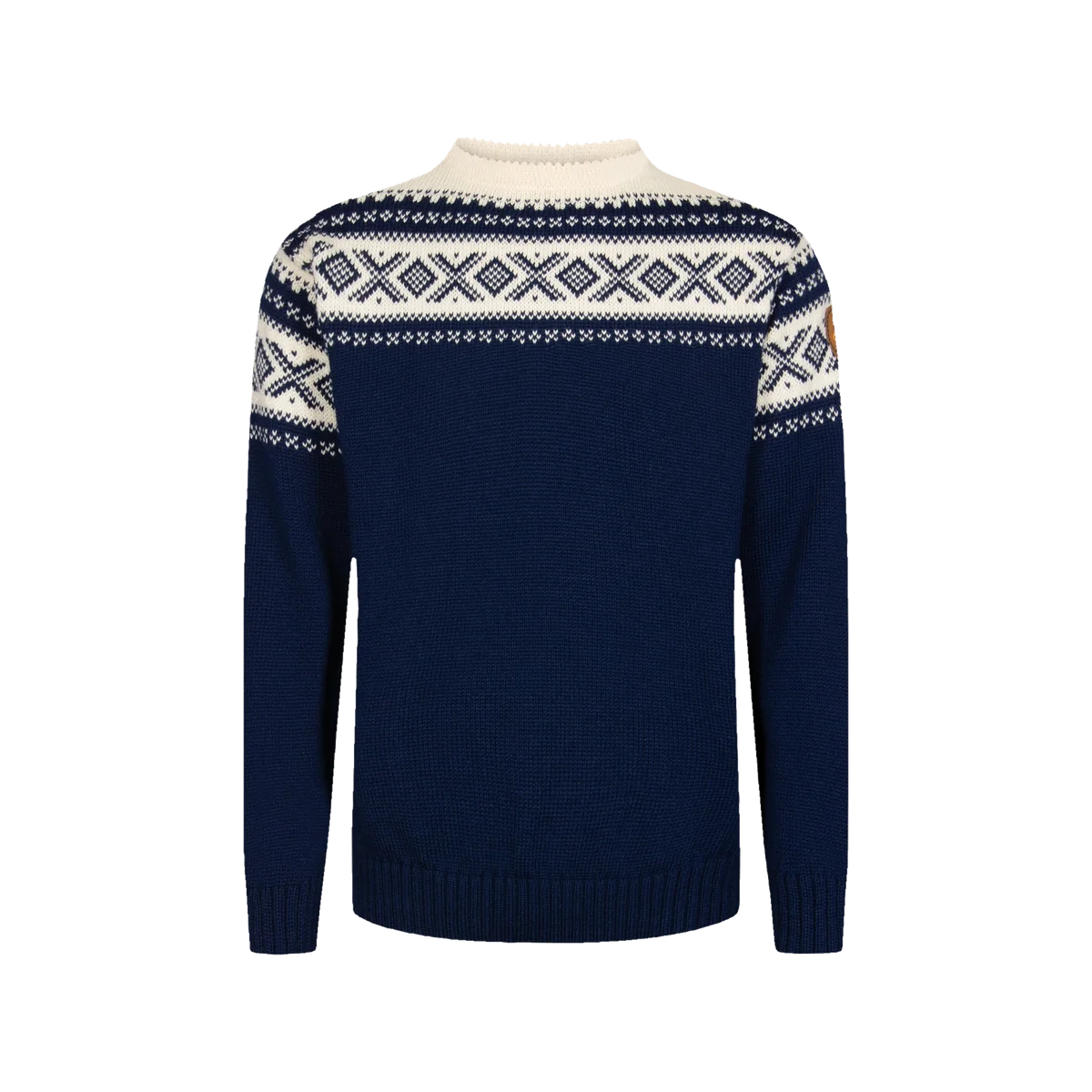
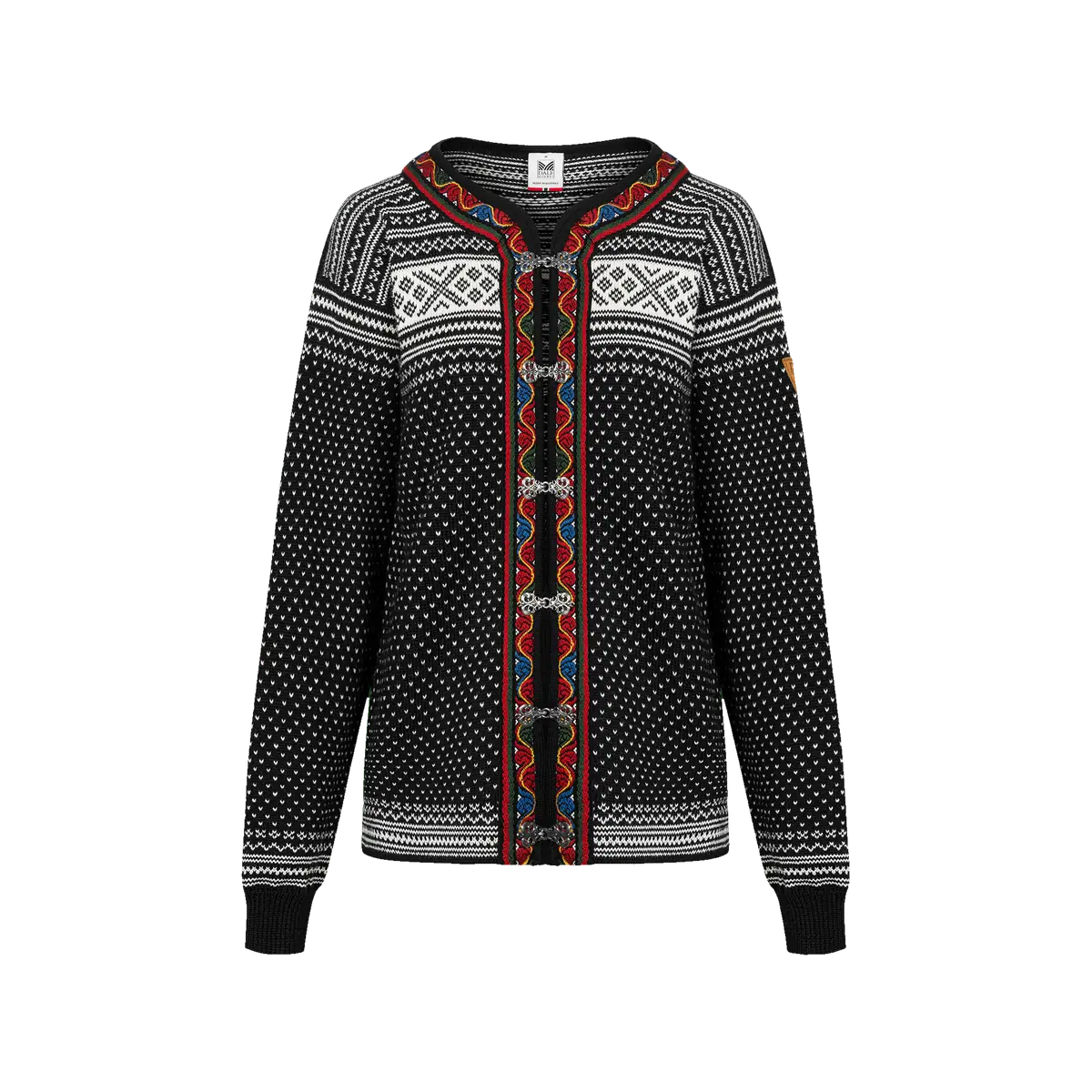
Start with the Cortina sweater if you want the clearest example of the brand: a plain navy body and a bold white yoke. The Setesdal cardigan is the one to try if you want the traditional form.
Where it fits: the most straightforward Norwegian sweater purchase for a US shopper. It has a dedicated US store, a flat shipping fee, and duties included in the price.
Before buying: Dale of Norway ships from its US store via UPS Express with a flat $12 fee, and import duties and customs fees are included (DDP). Check the size guide for each style, since cuts vary between the unisex and women’s lines.
Devold: the fisherman sweater and merino baselayers
Founded 1853 · Premium
Devold started in Ålesund as wool clothing for coastal fishermen and now makes sweaters, cardigans, and technical merino layers. It produces in its own Lithuanian factory. The Original Islender Wool Sweater, Svalbard Wool High Neck, and Nansen Wool Cardigan show the range.
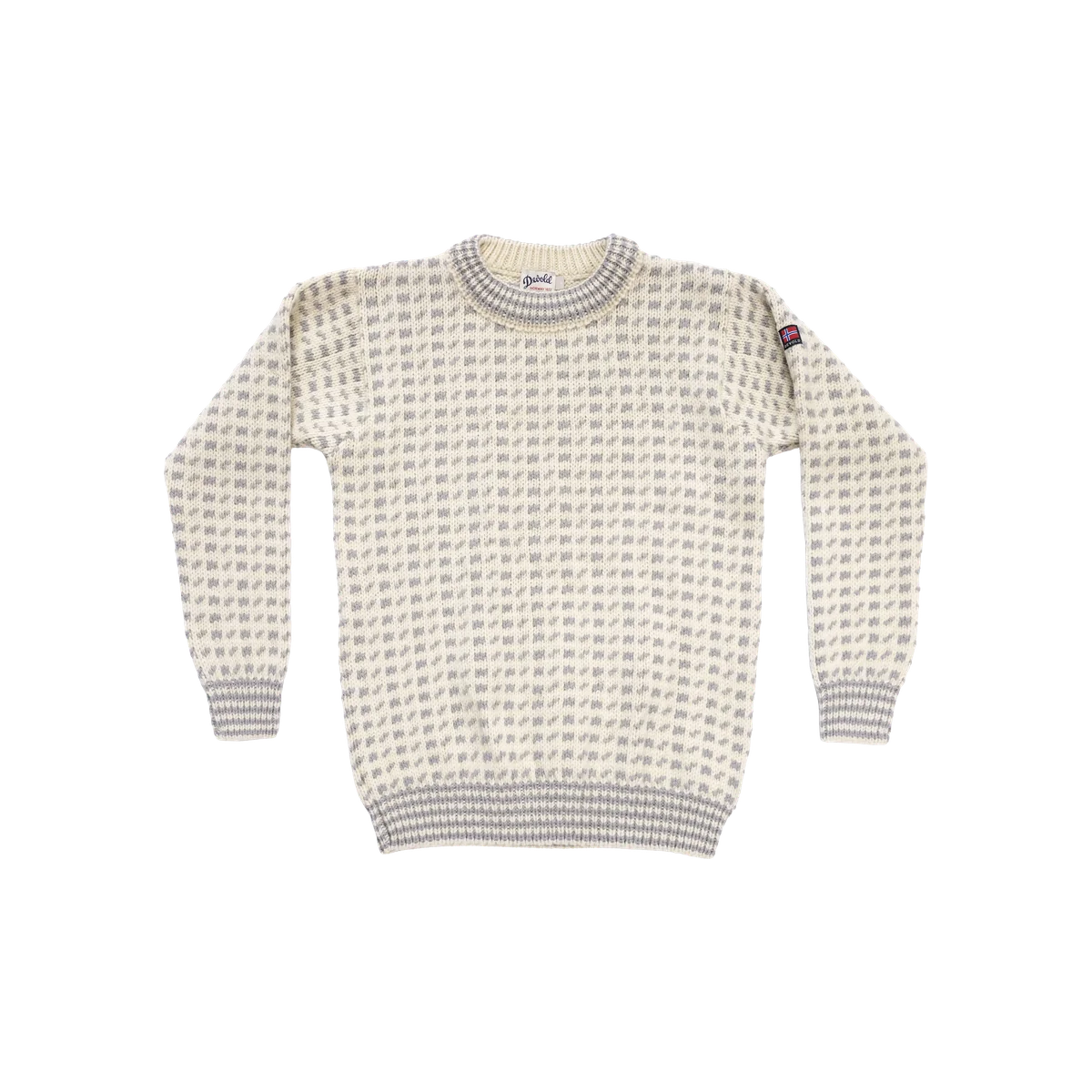
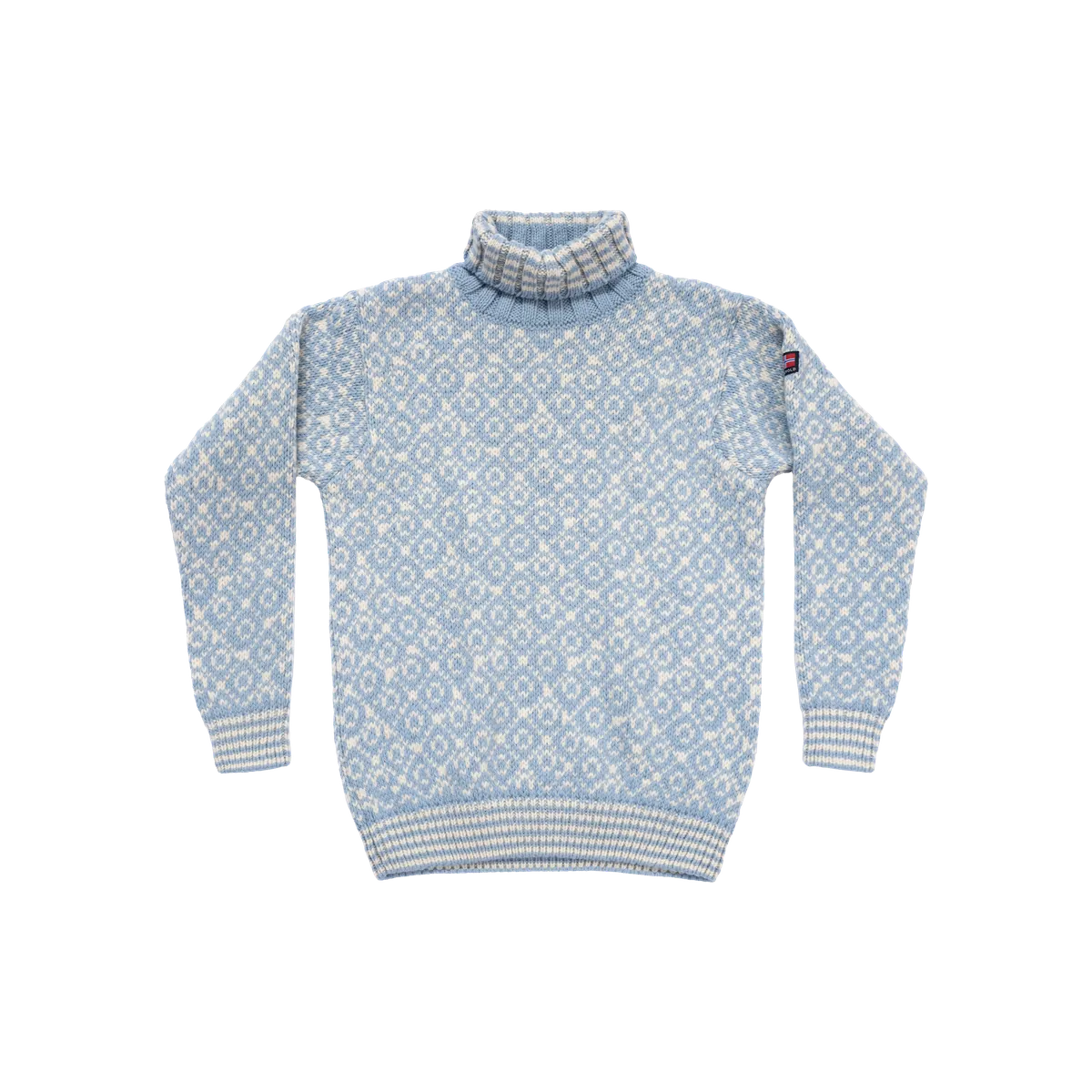
Where it fits: the most traditional of the five, and the closest to a classic fisherman sweater.
Before buying: Devold does not currently ship to the US. Its official FAQ lists delivery to Norway, Sweden, Denmark, Finland, Germany, and Austria only. Bookmark the brand and check the country selector, but don’t plan a purchase around it yet.
Woodling: soft jumpers from a family farm
Founded 2006 · Premium
Woodling is a family-run label from Jæren, designed by Siv Elise Seland. Its knitwear is soft and textured, with Norwegian-inspired patterns in gentle colors, and much of it is made using seamless 3D knitting in a converted barn on the family farm. The Thea Jacquard Jumper, Maja Mohair Cardigan, Sukkerspinn Mohair Jumper, and Jacquard Knit Vest are the core pieces.
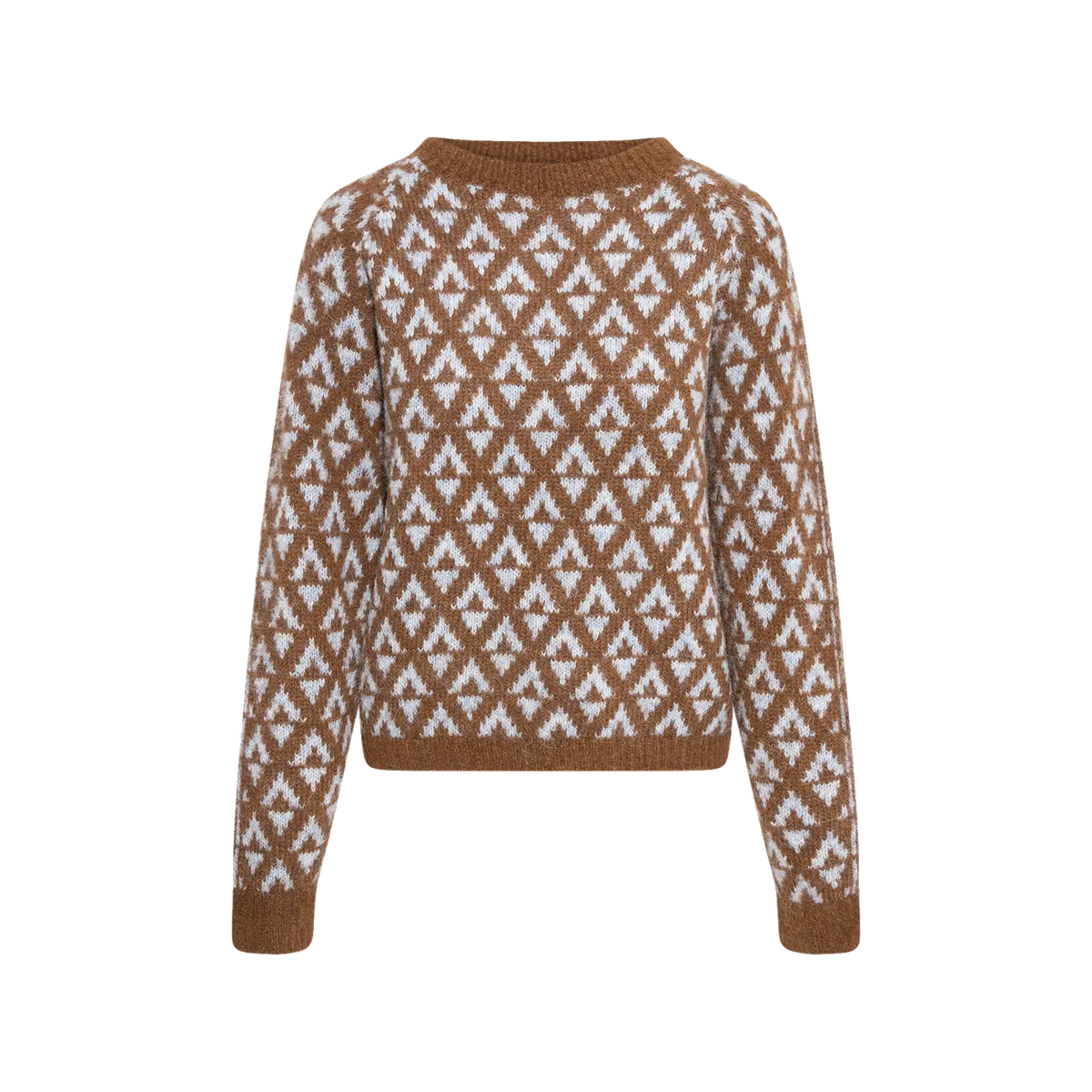
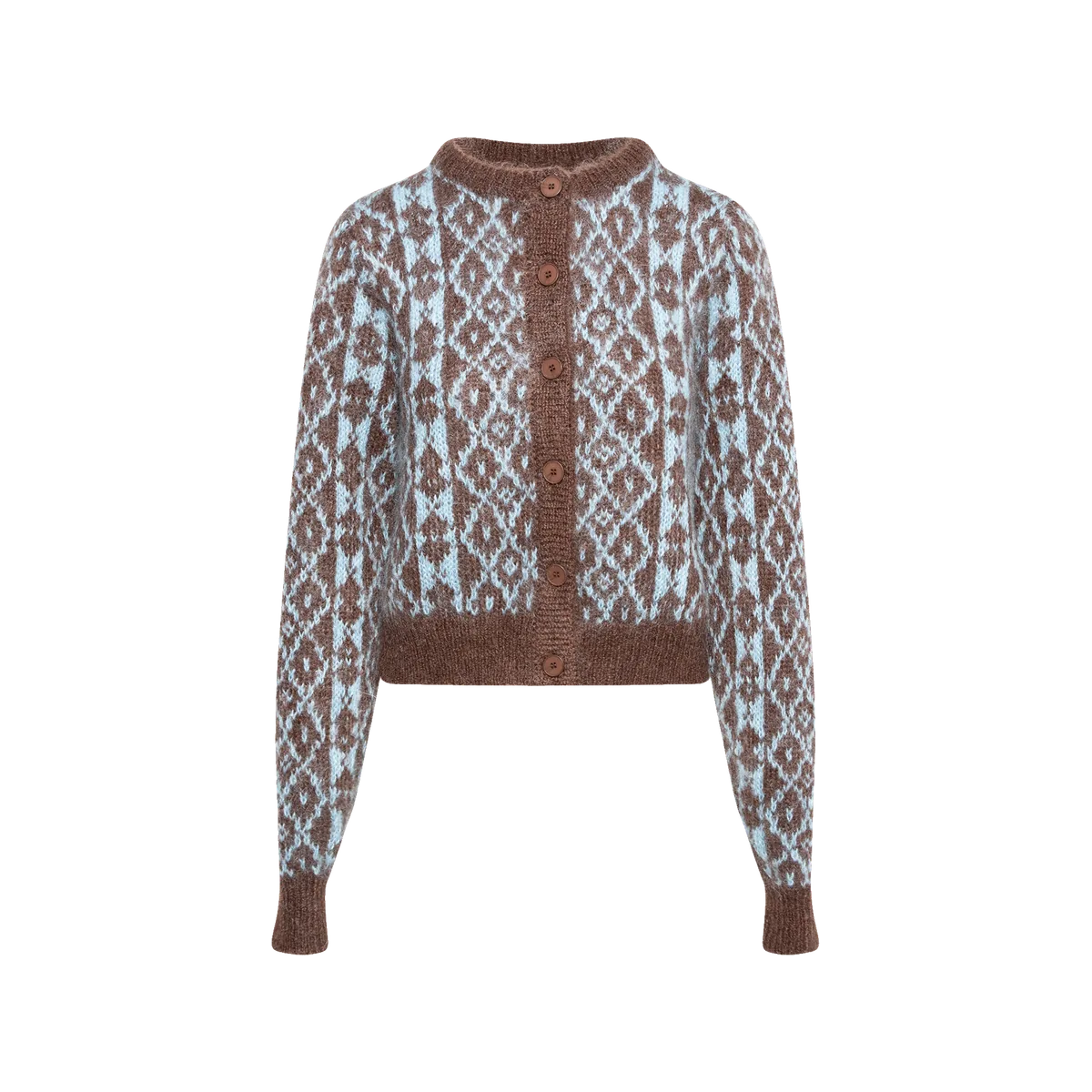
Where it fits: the softest and most contemporary option here. A good place to start if traditional Norwegian sweaters feel heavy or scratchy.
Before buying: Woodling ships internationally from Norway for a flat 250 NOK. Import duties, taxes and handling fees are not included and may be collected on delivery, and the US is not named specifically on its shipping page.
Holzweiler: knitwear with a fashion edge
Founded 2012 · Premium
Holzweiler is an Oslo label known for outerwear, scarves, and expressive knitwear. The Tine Cardigan, with its fading jacquard bands, is the best knitwear entry point. The Rype Fleece Jacket works as a sweater alternative when you want something warm and soft. Explore the US collection.
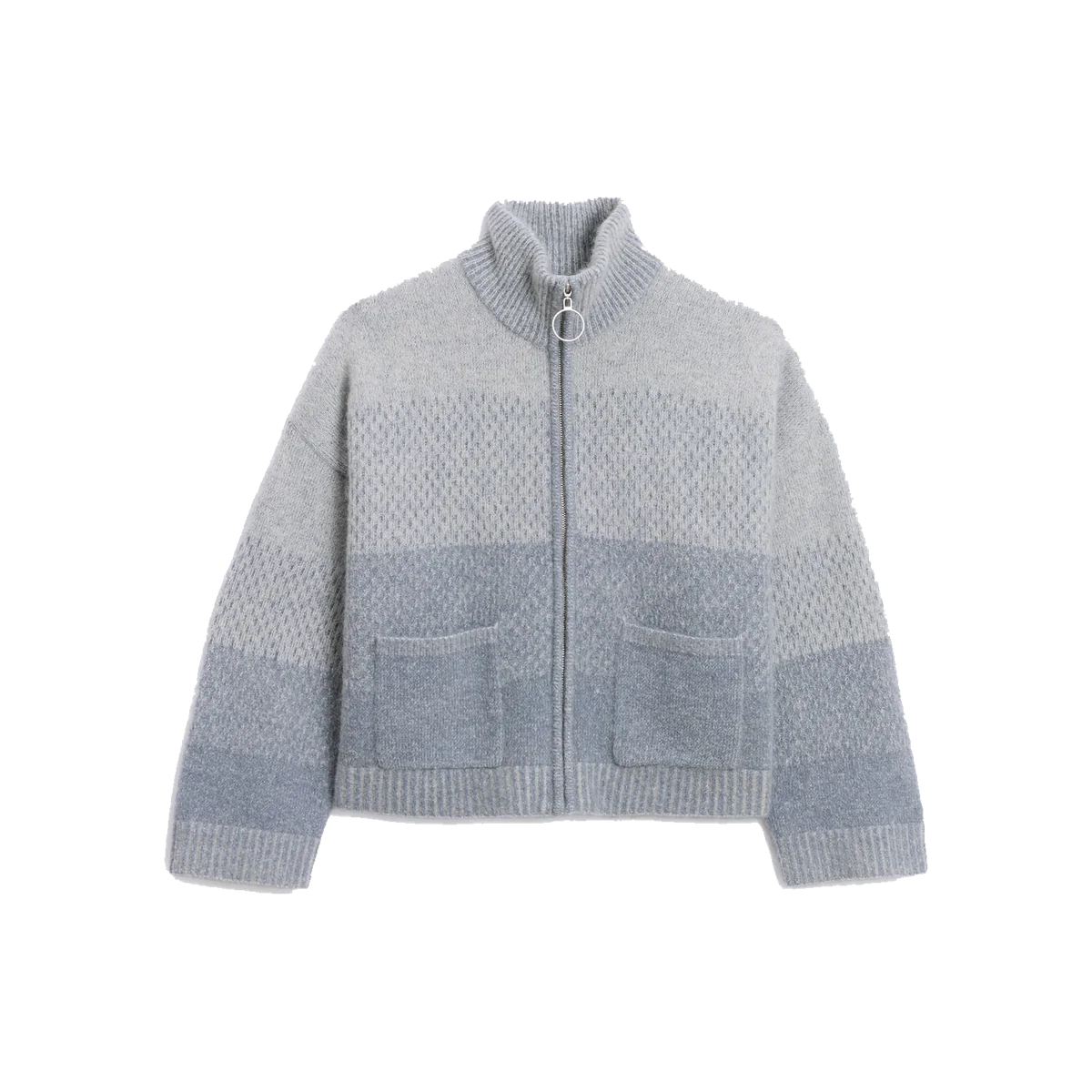
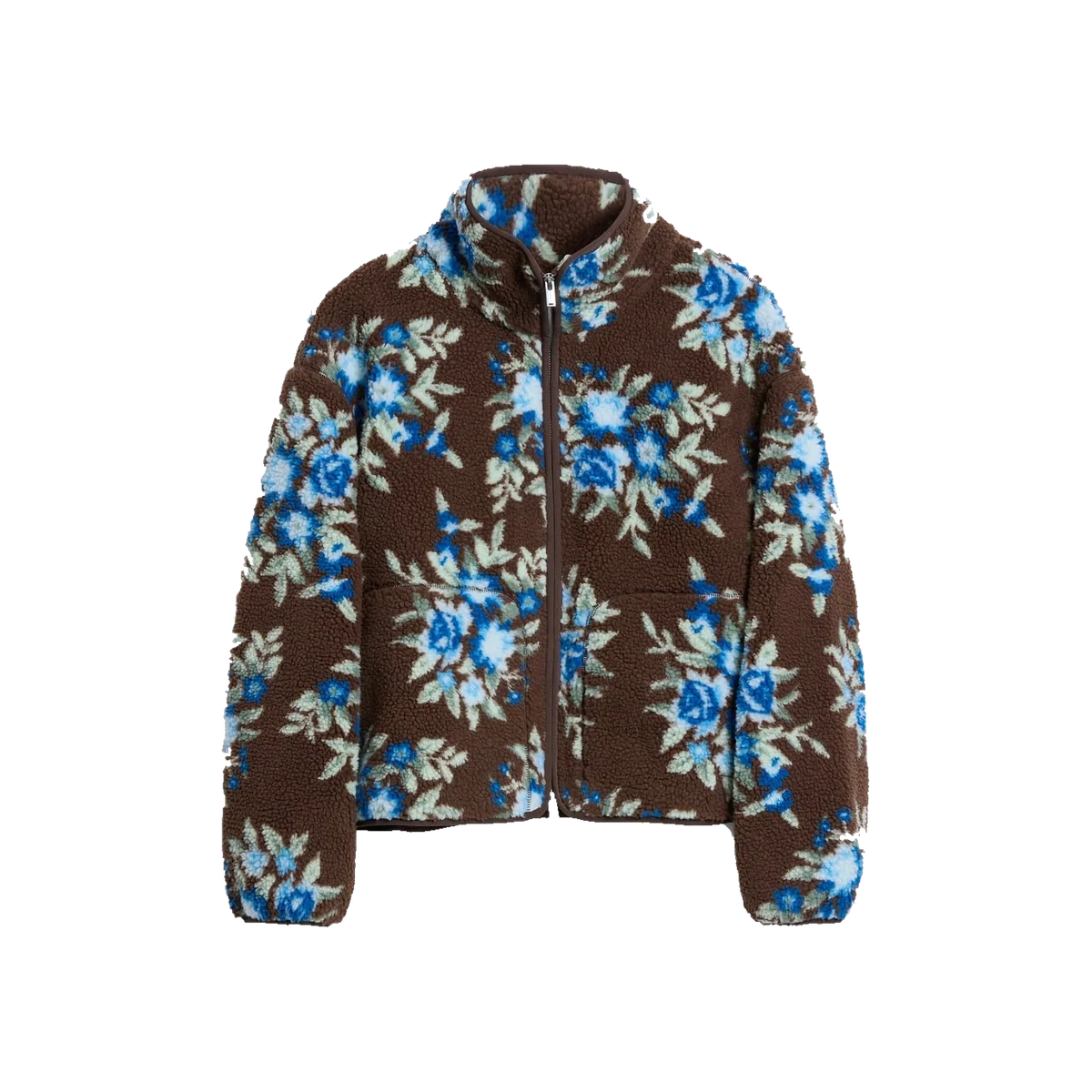
Where it fits: the choice when you want the Norwegian idea of a warm layer but would rather wear it as fashion than as heritage.
Before buying: US orders ship DAP, so duties, taxes and fees are not included and are charged on delivery. Standard shipping is $15, free above $300.
Bergans of Norway: an outdoor specialist with one standout jumper
Founded 1908 · Premium
Bergans of Norway is better known for backpacks and technical jackets, but the Steiro Knitted Wool Jumper, in RWS-certified lambswool with a Nordic jacquard yoke, is the knitwear piece to know.
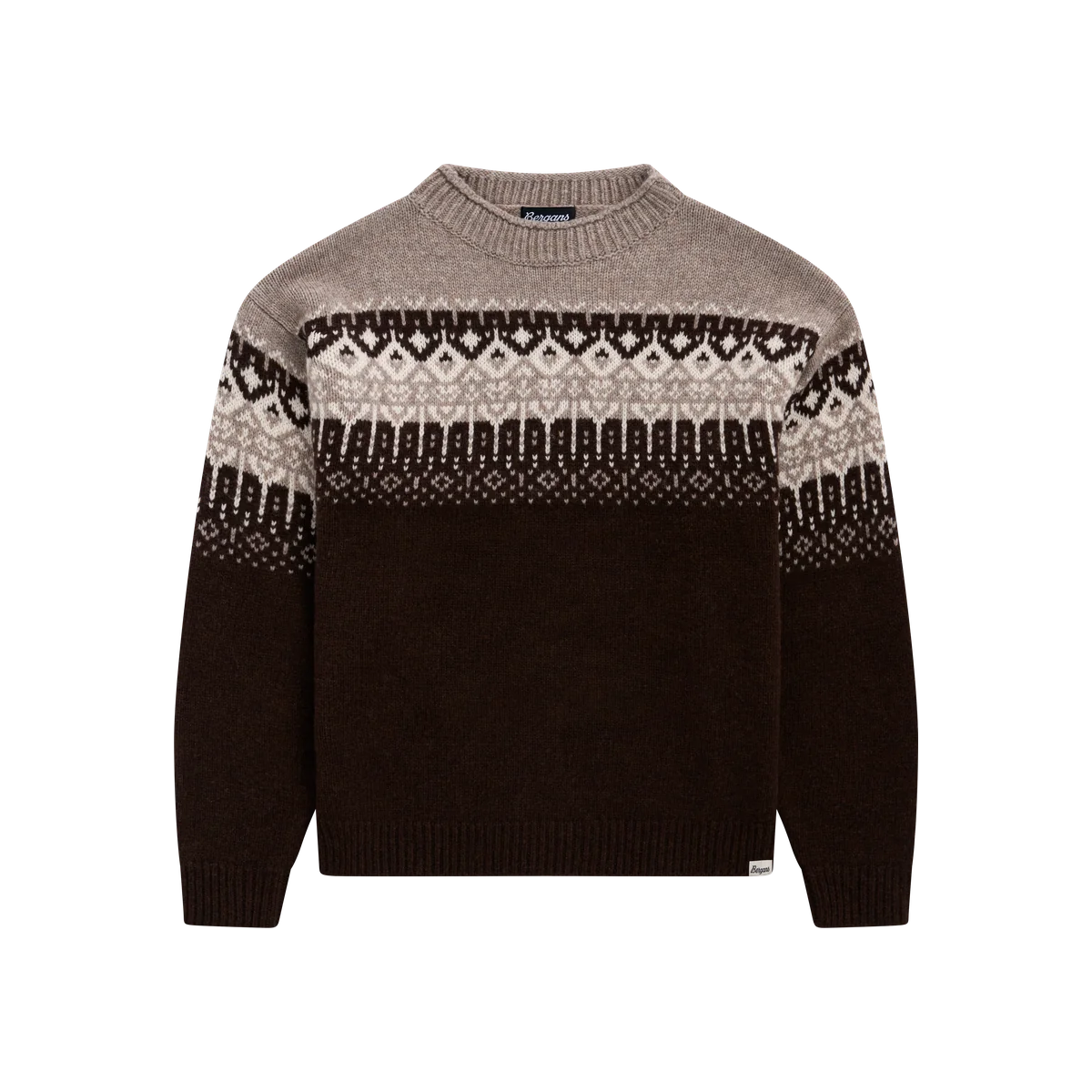
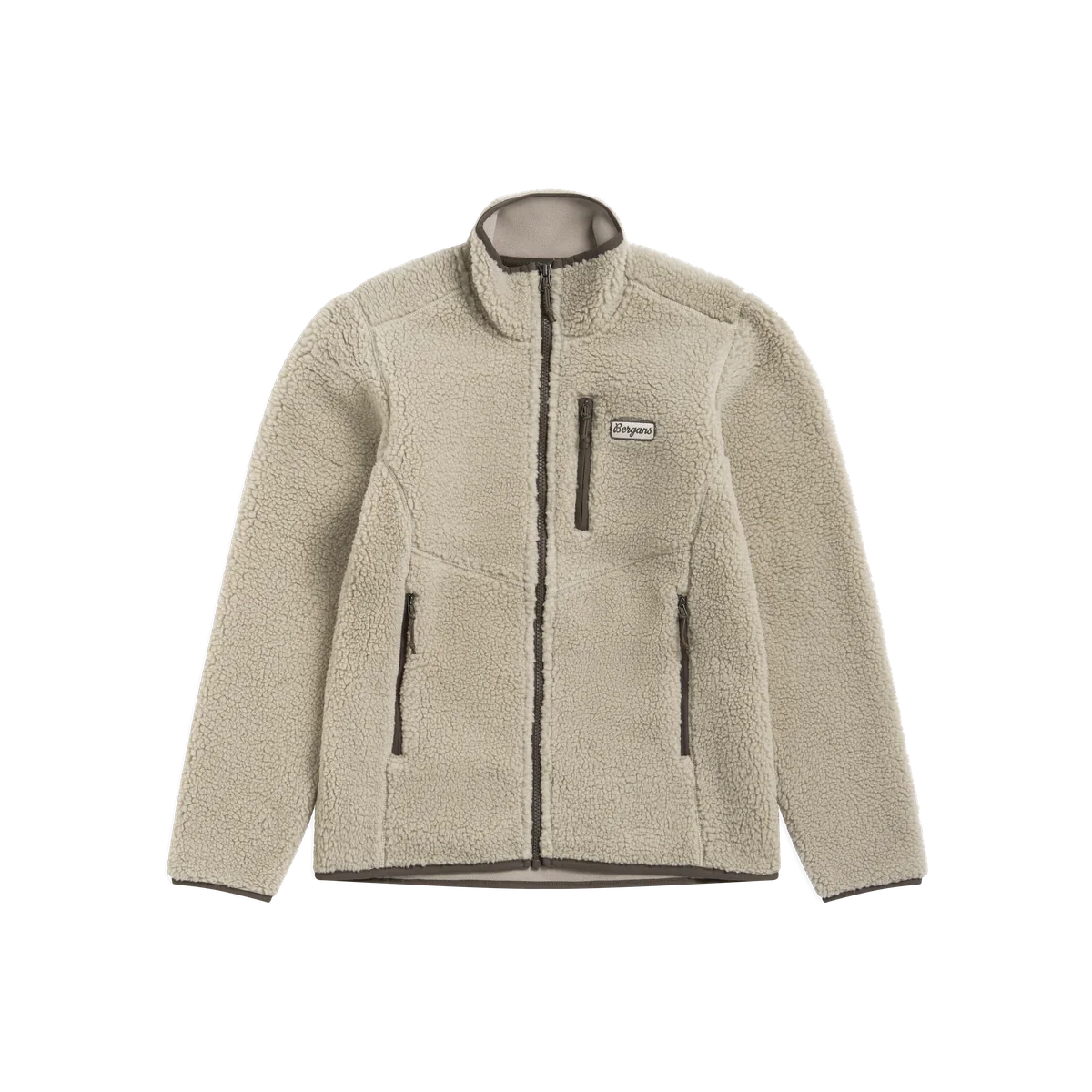
Where it fits: a good choice if you want a practical wool jumper from an outdoor brand and you are shopping from Europe.
Before buying: Bergans ships to EU destinations through its EU store, and its region selector lists only Norway, Sweden, Germany, and the EU. There is no US store.
Five more Norwegian knitwear brands worth knowing
These labels appear in Norwegian knitwear guides but are not yet in Euspree’s directory, so we have not verified their US shipping or duty terms. Check each store before ordering.
- We Norwegians (founded 2014) builds premium merino and cashmere knitwear around the Setesdal pattern. Its site states that it ships to the US and the EU, and it has stores in Aspen and Park City. Sweater prices on its site run from about €160 to €380.
- Oleana (since 1992) makes colorful, floral knitwear in a factory in Ytre Arna, outside Bergen, using merino wool, silk, and alpaca. It is the one to know for folklore-inspired color.
- Rauma (founded 1927) is known for the Marius pattern, Setesdal cardigans, and the Islender, with production kept in Norway including the spinning.
- Norlender (founded 1927) is a family-owned knitwear factory on Osterøy, near Bergen, making cardigans and pullovers in folk patterns.
- Skappel (founded 2012) focuses on oversized, relaxed jumpers and knitting kits, with Norwegian wool.
How to spot an authentic Norwegian sweater
“Authentic” can mean three different things: wool from Norwegian sheep, knitting done in Norway, or a traditional pattern. We found no single national standard that defines all three, so the label and the product page matter more than imagery of mountains or Vikings. A few checks help:
- Separate where the wool comes from from where it is knitted. “Made in Norway” says nothing about the wool, and Norwegian wool can be knitted elsewhere. Dale of Norway, for example, knits its panels in Dale and finishes in Norway and Poland, and Devold produces in its own Lithuanian factory. Look for a product page that names the wool’s origin.
- Read the fiber label. A sweater sold as “Norwegian” can be a blend or include acrylic. Look for the wool percentage. Dale’s Cortina 1956 listing, for instance, states 100% Norwegian wool, and Devold’s Original Islender states 100% new wool from Norwegian sheep.
- Check that the pattern is knitted in. Turn a colorwork sweater inside out. In traditional stranded knitting you can usually see the strands of yarn carried behind the pattern. A pattern that is smooth on the inside may be printed or made another way.
- Buy from a maker with a documented history. Brands that publish their founding, mill, and wool sourcing are easier to check than anonymous “Nordic” listings.
- Sanity-check the price. In our October 2026 check, 100% Norwegian wool pieces from Dale of Norway and Devold listed from about 180 euros to $430. A far lower price on a patterned “Norwegian” sweater is a reason to read the label closely.
How to choose
- Decide the role. A sweater you wear under a coat can be thinner and softer. A sweater you wear alone outside needs weight.
- Pick the pattern last. A bold yoke makes a statement. A plain body in a good wool works with more of your wardrobe.
- Compare garment measurements. Norwegian cuts vary between traditional and modern lines, and unisex sizing can run large. Use the measurements, not the size letter.
- Check the fiber. The label tells you more than the brand name. Look for the wool type and percentage, and any certification with a defined scope. See the wool comparison above for what each fiber feels like.
Caring for a wool sweater
Wool lasts for years if you treat it gently. Wash only when needed, using the wool or hand-wash cycle with cool water and a wool detergent. Dry flat, away from direct heat, and do not tumble dry. Store folded, not hung, and air a sweater between wears. Always check the care label first. Care varies even within one brand: Dale of Norway’s guide lists some wools as machine washable on a wool cycle and others as hand-wash only, and some pieces are dry-clean only.
Buying Norwegian sweaters from the US: four things to check
Check whether the brand ships to the US at all. Of the five brands in our directory, only Dale of Norway has a dedicated US store. Devold does not ship to the US, and Bergans sells only in Europe.
Know who pays the duties. Dale of Norway includes them. Holzweiler ships DAP, and Woodling states that duties may apply, so both can add cost on delivery. Compare the all-in total, not the sticker price.
Use garment measurements. Lay a sweater you like flat and compare it to the measurements on the product page.
Check the return route. A return to Norway costs more time and money than a domestic one. Read the policy before you order.
Browse our brand directory for current listings, or read how European brands compare on sustainability if material sourcing matters to you.