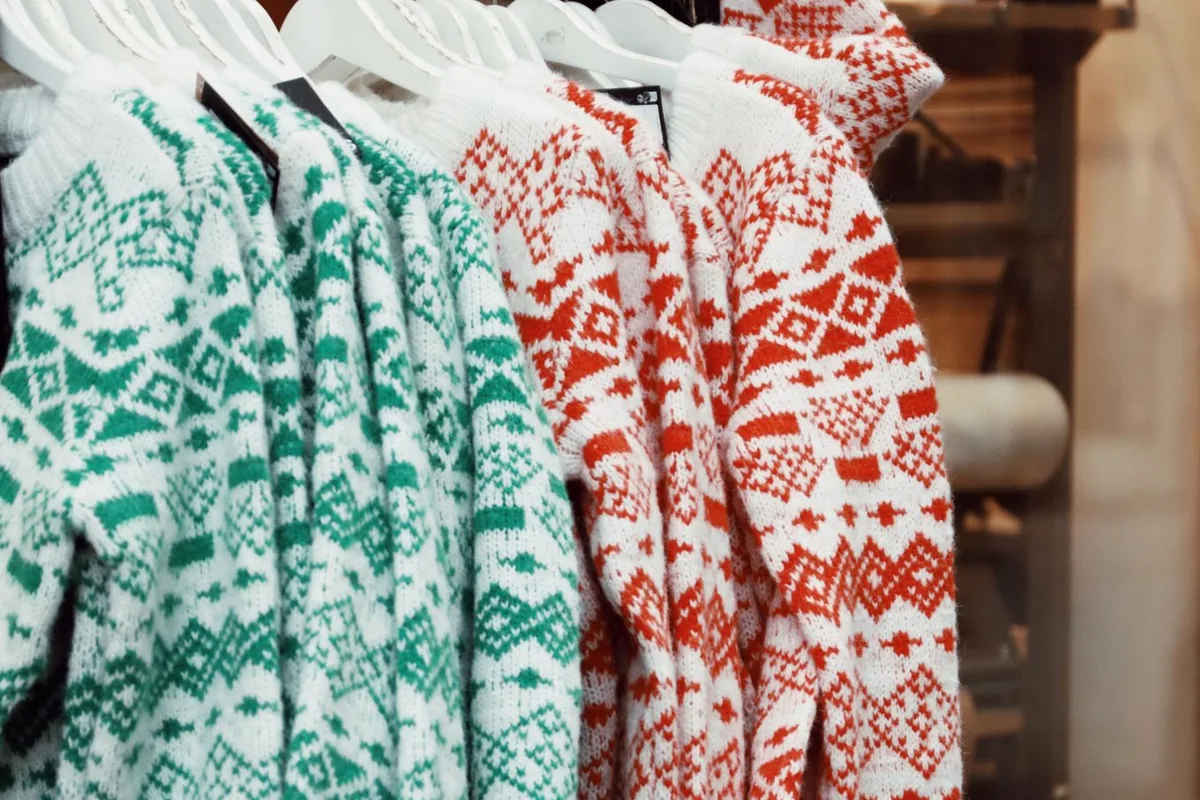

A good wool or cashmere sweater can last for years, and it’s usually not the wearing that wears it out. It’s the washing, the drying and the way it’s put away. The good news is that caring for wool and cashmere is simpler than the labels make it sound: wash less, keep the water cool, dry it flat and fold it. The rest is detail.
This guide pulls together what wool makers actually say, from the wool industry body Woolmark to brands such as Johnstons of Elgin, John Smedley, Dale of Norway and Lisa Yang. Where they agree, we say so. Where they differ, we tell you, and we always send you back to the care label first.
The short answer: Wash less often. When you do wash, use cool water (about 30°C) and a mild wool or cashmere detergent, and don’t rub or wring. Dry it flat, reshape it, and keep it away from radiators and sun. Fold it instead of hanging it, and clean it before you put it away for a season. Always check the care label first, because it overrides general advice.
Last updated: November 2026. This is general guidance from the sources linked below, not a replacement for the care label on your own garment.
Jump to: Care label first · What makers say · How often to wash · Hand washing · Machine washing · Drying · Storing and moths · Pilling · What to avoid · Sources
Check the care label first
The sewn-in label beats any article, including this one. Labels can say machine wash, hand wash only, do not tumble dry or dry clean only, and styles vary even within one brand. Dale of Norway, for example, notes that garments knitted in its Plover yarn must be hand washed. Johnstons of Elgin recommends professional dry cleaning for woven pieces such as scarves, stoles and throws, and Lisa Yang says brushed and bouclé pieces should go to professional cleaners.
If you can’t read the label, hand washing in cool water is the safest default.
What the makers say
Here is a side-by-side of five sources. The details differ a little, but the pattern is the same: cool water, gentle handling, flat drying and folding.
| Source | Washing | Drying | Storing and extras |
|---|---|---|---|
| Woolmark (wool industry body) | Machine: wool cycle, usually gentle at 40°C. Hand: lukewarm (about 30°C) with a mild wool detergent, no rubbing or wringing. No bleach or enzyme detergents. | Knitwear flat. Keep away from heat and direct sun. Tumble dry only if the label says so. | Knitwear folded in a drawer. Clean and fully dry before storing. Keep moth repellent off the garment. |
| Johnstons of Elgin (cashmere) | Hand wash every three to four wears, in lukewarm water (35°C) with cashmere shampoo. Don't rub or wring. | Flat on a towel, reshaped, away from radiators and sun. Never tumble dry. Light press with a cool iron. | Fold, don't hang. Drawer, box or breathable bag with cedar balls. Woven pieces (scarves, stoles, throws): dry clean. |
| John Smedley (merino) | Hand washing is the safest. Its other guide allows a wool or delicate machine cycle at 30°C, inside out. Mild non-biological wool detergent. | Flat, reshaped by hand. No tumble dryer. Away from sun and radiators. | Fold or stack. Air a piece for about five minutes after wearing. Compression bags for long storage. |
| Dale of Norway (wool) | Wash less and air instead. Hand wash at 30°C or a gentle wool program at 30°C if the label allows. Some yarns are hand wash only. | Flat on a towel or rack. Don't hang wet wool. No tumble dryer. | Store lying down, clean and dry, in a sealed container against moths. |
| Lisa Yang (cashmere) | Not after every wear. Plain and fine knits: hand wash with cashmere detergent, or a delicate, no-spin wool cycle at up to 30°C in a laundry bag. Brushed and bouclé: professional cleaning. | Roll in a towel, press lightly, dry flat. Don't hang. | Cashmere comb for pills. Avoid bleach and fabric conditioner. |
The temperatures vary slightly (30°C, 35°C or 40°C), so when in doubt, go cooler and follow your label. John Smedley’s pages also differ between a delicate machine cycle and hand washing, so treat hand washing as the cautious choice.
How often to wash a wool sweater: less than you think
Wool doesn’t need washing after every wear. Dale of Norway says wool sweaters don’t need to be washed as often as other garments, and that hanging one in a steamy bathroom or airing it usually refreshes it. John Smedley suggests airing a piece for about five minutes after wearing and rotating your knitwear. For small marks, Dale of Norway suggests a damp cloth instead of washing the whole garment. Johnstons of Elgin suggests hand washing cashmere knitwear every three to four wears.
Don’t wait too long, though. Wool that has food stains or body oils on it can attract moths, so clean pieces before you store them (more on that below).
How to hand wash a wool or cashmere sweater
- Check the label, and turn the sweater inside out. Woolmark suggests this for any washing method, and it helps the surface keep its look.
- Fill a basin with cool to lukewarm water. About 30°C is the figure most makers give. Add a mild wool or cashmere detergent. Avoid bleach, and avoid enzyme (biological) detergents, which Woolmark and John Smedley say can damage wool.
- Soak and squeeze. Woolmark suggests soaking for about 10 minutes. Gently squeeze the suds through the fabric. Don’t rub, pull or wring: Johnstons of Elgin warns that rubbing can cause shrinkage and more pilling.
- Rinse in water of the same temperature until the water runs clear. Many care guides stress keeping the wash and rinse water at the same temperature, because a sudden change is often blamed for shrinking.
- Press out the water. Squeeze it out with your hands, or roll the sweater in a clean towel and press, as Lisa Yang suggests. Don’t twist it.
- Lay it flat on a dry towel and reshape it (see below).
Can you machine wash a wool sweater?
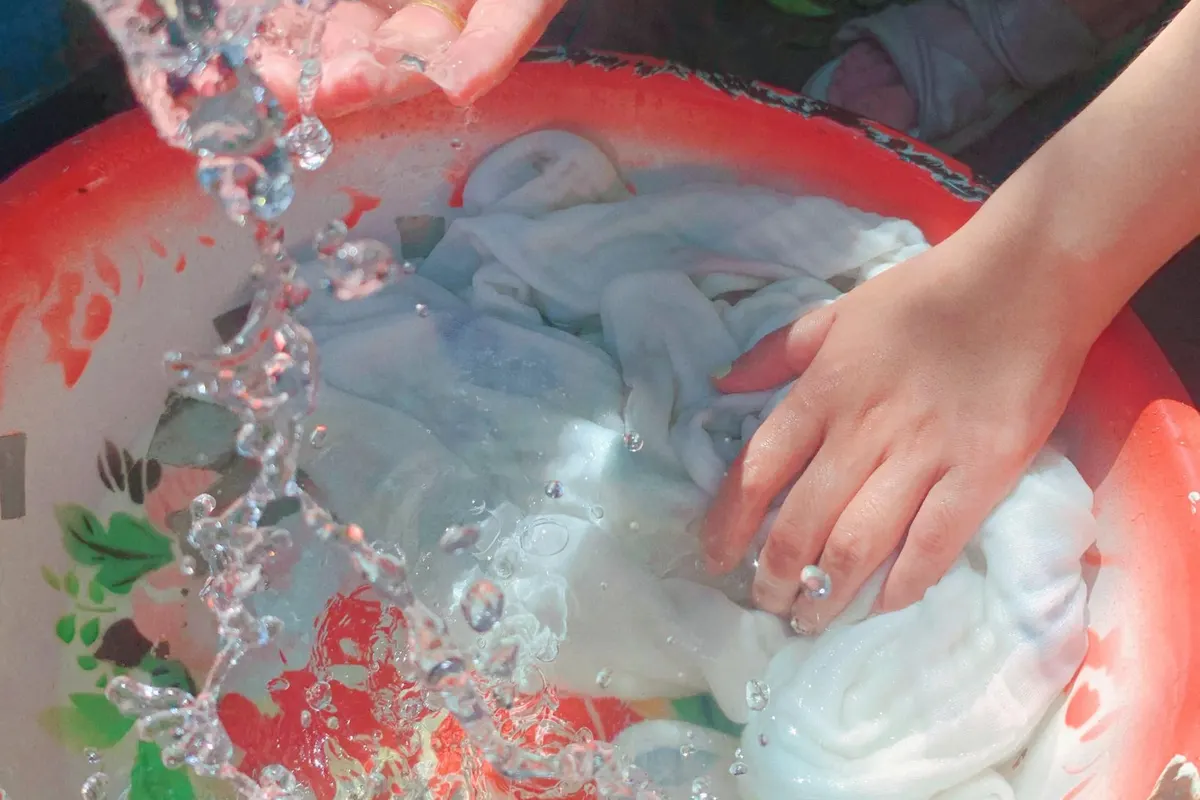
Only if the care label says so. If it does, makers suggest a wool or delicate cycle at about 30°C, with the sweater inside out and in a laundry bag. Lisa Yang suggests a no-spin setting. Woolmark mentions a gentle wool setting, usually at 40°C, and the cold or delicates cycle if your machine has no wool cycle. Because the advice varies and you can’t see what the drum is doing, many people keep hand washing for their best pieces.
How to dry a wool sweater: flat, never hung or tumbled
This is the step where most sweaters are ruined. Wet wool is heavy and weak, and a hanger or a clothesline can stretch it out of shape.
- Lay it flat on a clean, dry towel or a drying rack, and gently reshape the body, sleeves and cuffs.
- Be patient. A thick sweater can take a day to dry. Common advice is 12 to 24 hours, with the sweater flipped over partway through (the exact time depends on the knit and your room). Many guides also suggest moving it to a second, dry towel after the first one soaks up the water.
- Keep it away from heat and direct sun. Don’t dry it on a radiator, which Woolmark warns can damage it.
- Skip the tumble dryer unless the label says it’s allowed. Johnstons of Elgin says never to tumble dry its knitwear, and John Smedley says to avoid the tumble dryer.
- Press if you must. Johnstons of Elgin suggests a light press with a cool iron once dry, and John Smedley suggests ironing inside out on low heat or using a steamer. Lisa Yang suggests the lowest heat or a steamer too.
- Try it on when it’s fully dry. It’s an easy way to check that it hasn’t changed size.
How to store wool sweaters and keep moths away
How you put knitwear away matters almost as much as how you wash it. These are the steps the makers agree on, with a few extra tips that appear in many care guides.
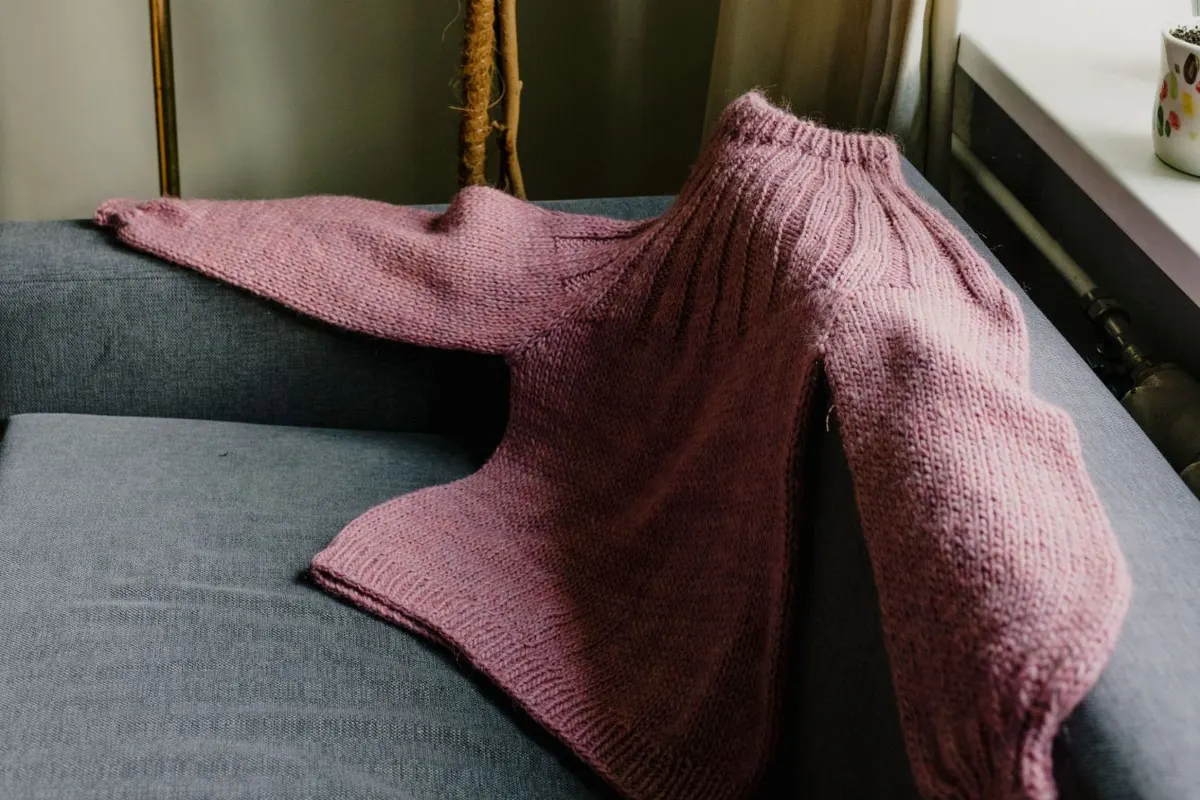
- Fold, don’t hang. Hanging can stretch the shoulders and distort the knit. Dale of Norway suggests storing sweaters lying down.
- Clean and dry first. Woolmark says food stains and body oils attract moths, and that wool must be completely dry before storing to prevent mildew.
- Use a drawer, box or sealed container. Johnstons of Elgin suggests a drawer, storage box or breathable bag with cedar balls. Dale of Norway suggests a sealed container. John Smedley suggests compression bags for long storage.
- Keep repellents off the wool. Woolmark says to keep any moth repellent away from the garment itself.
- Pick a cool, dry, dark spot. Common advice is to avoid damp places such as a basement, because damp air can encourage mildew and moths.
- Roll chunky knits if folding stretches them. Many guides suggest rolling very thick sweaters instead of folding them.
- Treat second-hand finds first. Some guides suggest sealing a thrifted piece in a bag and freezing it for about a week before it goes in with your other knitwear. This is general advice, not from the makers above.
- Check now and then. Look over stored pieces for small holes, and air them from time to time.
How to remove pilling from wool and cashmere sweaters
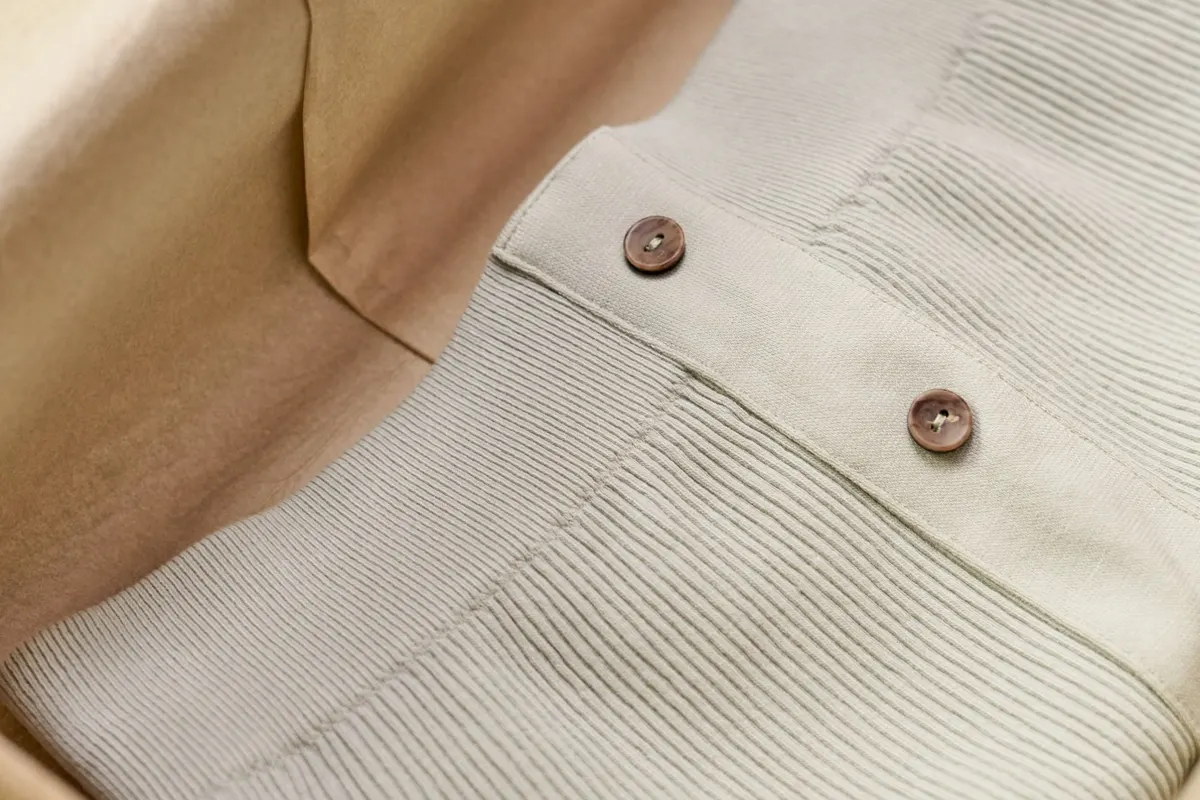
Pills are little balls of fibre that form where wool rubs against itself, such as under the arms or at the cuffs. Johnstons of Elgin says a few can appear after the first few wears and that this is a natural process.
To remove them, lay the sweater flat and gently lift them off with a cashmere comb, as Johnstons of Elgin and Lisa Yang suggest. Dale of Norway says a bobble remover works, and that you can also remove them gently with your fingers. Other tools you’ll see recommended include an electric fabric shaver (depiller) and a sweater stone. Whatever you use, work gently and don’t pull hard, because you can tug the knit.
A little pilling is normal. If a brand-new piece is heavily pilled after a few wears, it may be a sign of weaker yarn. Our quality checklist shows what to look for before you buy.
Mend small holes early
A small hole is much easier to fix before it grows. Some brands help: Lisa Yang, for example, says repair yarn is included with its cashmere. A local tailor or visible mending can give a favourite sweater years more wear, which also lowers what it costs you each time you wear it. See our guide to cost per wear.
What to avoid
- Hot water. It can shrink wool.
- Wringing, twisting or rubbing. It stretches and mats the fibres.
- Hanging to dry. It pulls wet knitwear out of shape.
- The tumble dryer and radiators.
- Bleach and enzyme (biological) detergents.
- Fabric conditioner. Lisa Yang says to avoid it on its cashmere.
- Storing it dirty. It invites moths.
Care guides from the brands
If you own pieces from these makers, their own guides are the best place to start. We’ve linked each brand’s guide in the table above. You can read more about the brands in our directory: Dale of Norway, Johnstons of Elgin, John Smedley and Lisa Yang. For more on choosing wool, see our guide to Norwegian sweater brands.
A final thought
Caring for wool isn’t complicated, it’s just slower. A few minutes of gentle washing, a flat towel and a drawer instead of a hanger is often all it takes. Do that, and a good sweater can become the one you’re still wearing in ten years.
When you’re ready for your next piece, browse our European brand directory.
Sources and caveats
These are the makers’ own guides. Care advice changes, and product care labels come first.
- Woolmark: caring for wool, how to wash wool and how to dry a wool sweater
- Johnstons of Elgin: caring for cashmere
- John Smedley: how to wash a wool jumper
- Dale of Norway: how to care for your wool
- Lisa Yang: Cashmere Lab