TL;DR: European brands stand out for a combination of reasons that go beyond aesthetics: stricter ingredient and production regulations, deep-rooted craft traditions, and a cultural preference for making things that last. This isn’t about being anti-global. It’s about knowing what you’re actually buying and why it tends to be different.
There’s a particular kind of frustration that comes with buying something that looked great online and fell apart within a year. The stitching goes, the finish chips, and the scent fades after a week. You know the feeling.
It’s not bad luck. It’s the predictable result of products designed to be replaced rather than kept.
A lot of European brands operate on a different logic shaped by regional craft traditions, tighter regulatory standards, and a consumer culture that has historically valued longevity over novelty. That doesn’t make every European product good, or every global brand bad. But it does mean the conditions for quality are meaningfully different.
Here’s what those conditions actually look like.
Regulation Sets a Higher Starting Point
1,400+ Cosmetic ingredients banned or restricted under EU regulation
1,500+ Hazardous chemicals restricted in textiles under REACH
42% Of EU green claims found false or unsubstantiated (EC, 2021)
Before we get to culture and craft, it’s worth understanding the structural reason European products often differ from their global counterparts: the regulatory environment is stricter across almost every consumer category.
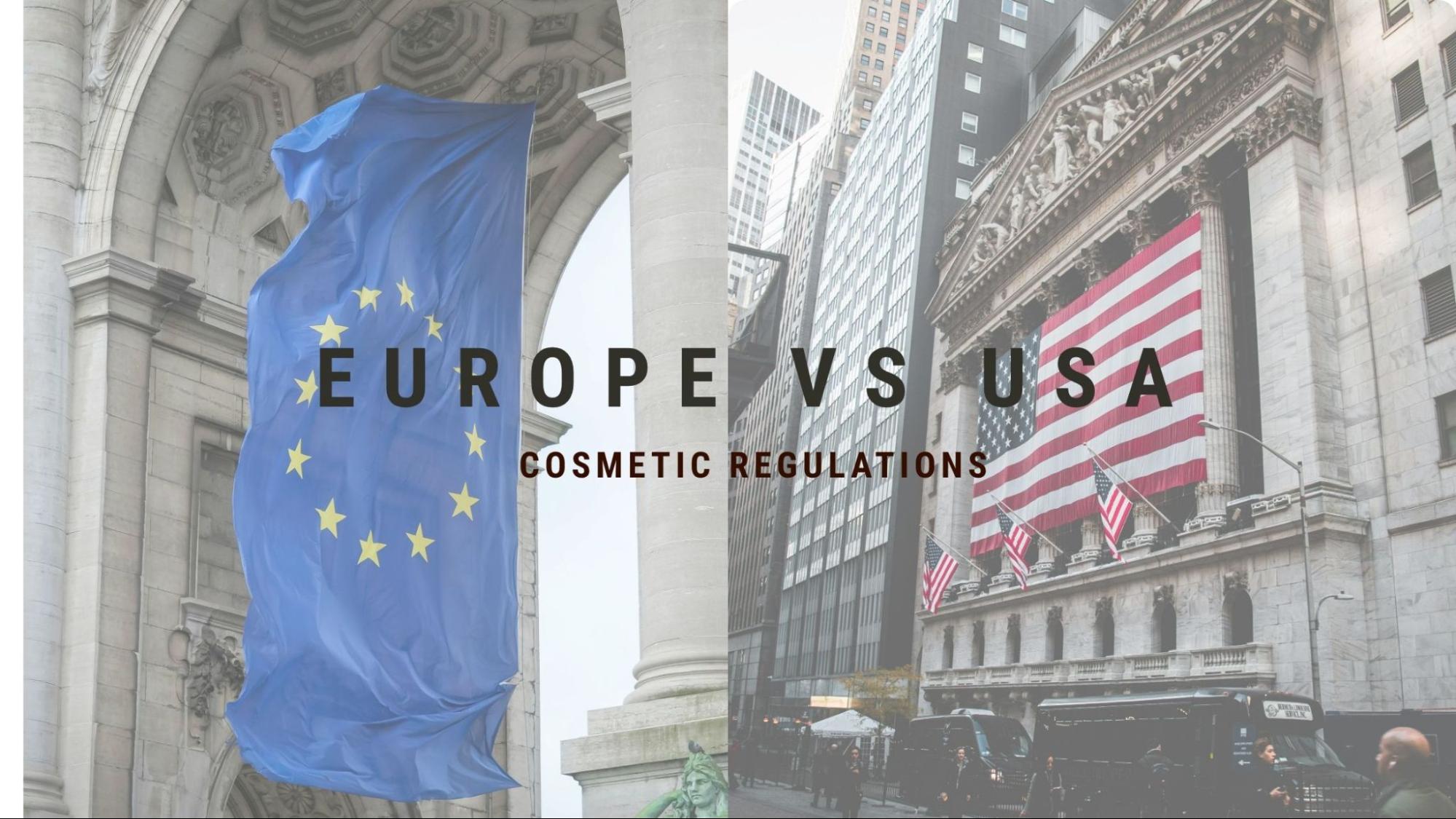
In cosmetics and personal care, the EU restricts or bans over 1,400 substances that brands cannot use in products sold in the European market, a list maintained in the publicly searchable EU CosIng database. The US, by comparison, has banned or restricted around 11 cosmetic ingredients at the federal level. That’s not a minor gap.
In textiles and apparel, REACH regulation restricts over 1,500 hazardous chemicals in products sold across the EU, including many dyes, finishings, and treatments still legally used elsewhere. And under the EU Ecodesign Regulation, products must increasingly meet minimum durability and repairability standards before they reach the market.
On animal testing, the EU has some of the world’s strongest protections. Under EU law, cosmetics tested on animals cannot be sold in the EU even if the testing happened outside Europe. This has pushed a large portion of the European cosmetics industry toward alternative testing methods, well ahead of most other markets.
None of this guarantees that a European product is excellent. But it does mean the floor is higher. A product that clears EU requirements is already held to standards that would be considered progressive in many other countries.
Quality as a Cultural Default, Not a Marketing Claim
Beyond regulation, there’s something harder to legislate: the expectation that things should be made properly.
In much of Europe, quality isn’t a premium tier; it’s the baseline expectation in many product categories. This shows up in how brands grow. Many European brands, particularly smaller ones, build their reputation through word of mouth and local trust rather than advertising spend. When your neighbours and colleagues are your first customers, and they’ll tell everyone they know if something doesn’t hold up, the incentive to cut corners is lower.
The data reflects this. According to the European Environment Agency, extending the life of clothing by just nine months reduces its carbon, water, and waste footprint by 20–30%. European brands, at their best, produce things worth keeping that long.
This isn’t universal. But the cultural pressure toward durability is real, and it shapes what many brands produce even before any regulation comes into play.
Craftsmanship Tied to Place
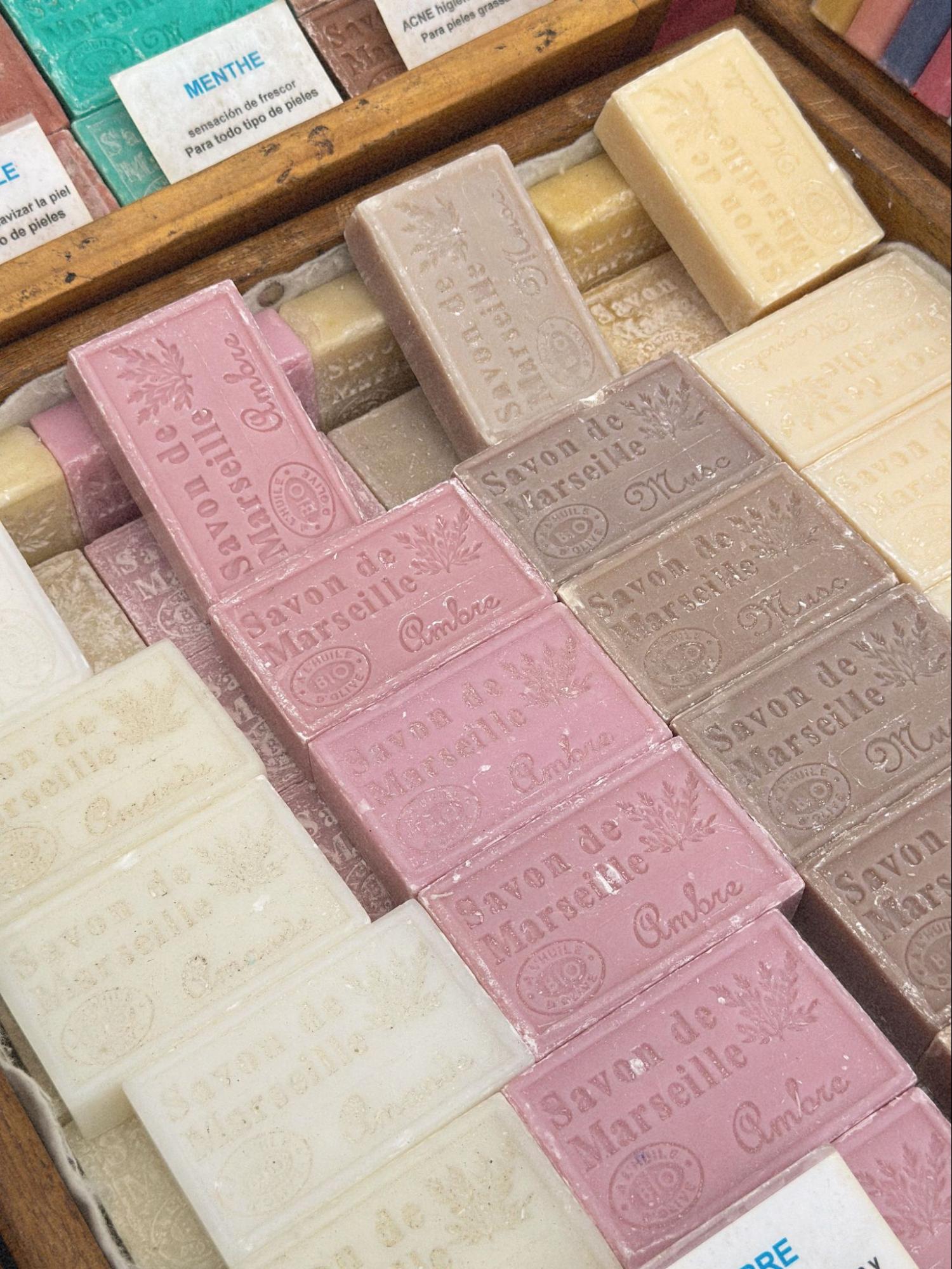
Savon de Marseille — a French soap-making tradition with protected designation of origin, still produced using traditional olive oil formulations.
One of the most distinctive things about European brands is how often their products are inseparable from where they come from.
In Italy, leather goods made using vegetable tanning, a traditional process that takes weeks longer than synthetic alternatives, produce leather that stiffens, softens, and darkens with use in a way no fast-produced alternative replicates. The technique is centuries old and still used by small workshops in Tuscany today.
In France, skincare and fragrance brands have long drawn on botanical knowledge rooted in specific regions. Lavender harvested in Provence, grape-derived antioxidants from wine country, and thermal waters from specific geological sources. These aren’t marketing language; they’re ingredients tied to local availability, extraction traditions, and, in some cases, appellation protections that govern how and where they can be sourced.
In Bulgaria, Rosa Damascena rose oil used in perfumery and skincare is still produced using traditional steam distillation methods refined over centuries in the Rose Valley. Bulgaria supplies the majority of the world’s rose oil, and the techniques used there remain the benchmark for quality globally.
In Denmark, the design philosophy that produced brands like HAY and Ferm Living isn’t trend-driven; it’s rooted in a Scandinavian tradition of functional minimalism that prioritises objects meant to be lived with for decades, not seasons.
In Germany, engineering culture extends to consumer goods. Brands like Miele build appliances explicitly designed to last 20 years. Birkenstock footbeds are designed to be resoled. The idea that a product should be serviceable rather than disposable is embedded in how German brands think about what they make.
That connection to place and tradition is what gives many European products their character and what makes them genuinely difficult to replicate at scale elsewhere.
What You Don’t Get From Global Mass-Market Brands
It’s worth naming what the alternative usually looks like.
Global mass-market production is optimised for speed, volume, and price point. That means materials are selected for cost rather than quality, production timelines that don’t allow for slow processes, formulations designed for shelf stability rather than ingredient integrity, and design cycles tied to trend calendars rather than longevity.
None of that is illegal. But it produces a different kind of product, one where the goal is turnover, not keeping. A 2021 European Commission screening found that 42% of green claims made by brands across the EU were exaggerated, false, or unsubstantiated. The pressure to appear responsible without being responsible is intense across the industry globally.
European brands aren’t immune to this. But the combination of stricter regulation, higher consumer expectations, and craft-rooted production cultures creates conditions where quality is more likely, not guaranteed, but more likely.
Small Brands, Specific Knowledge
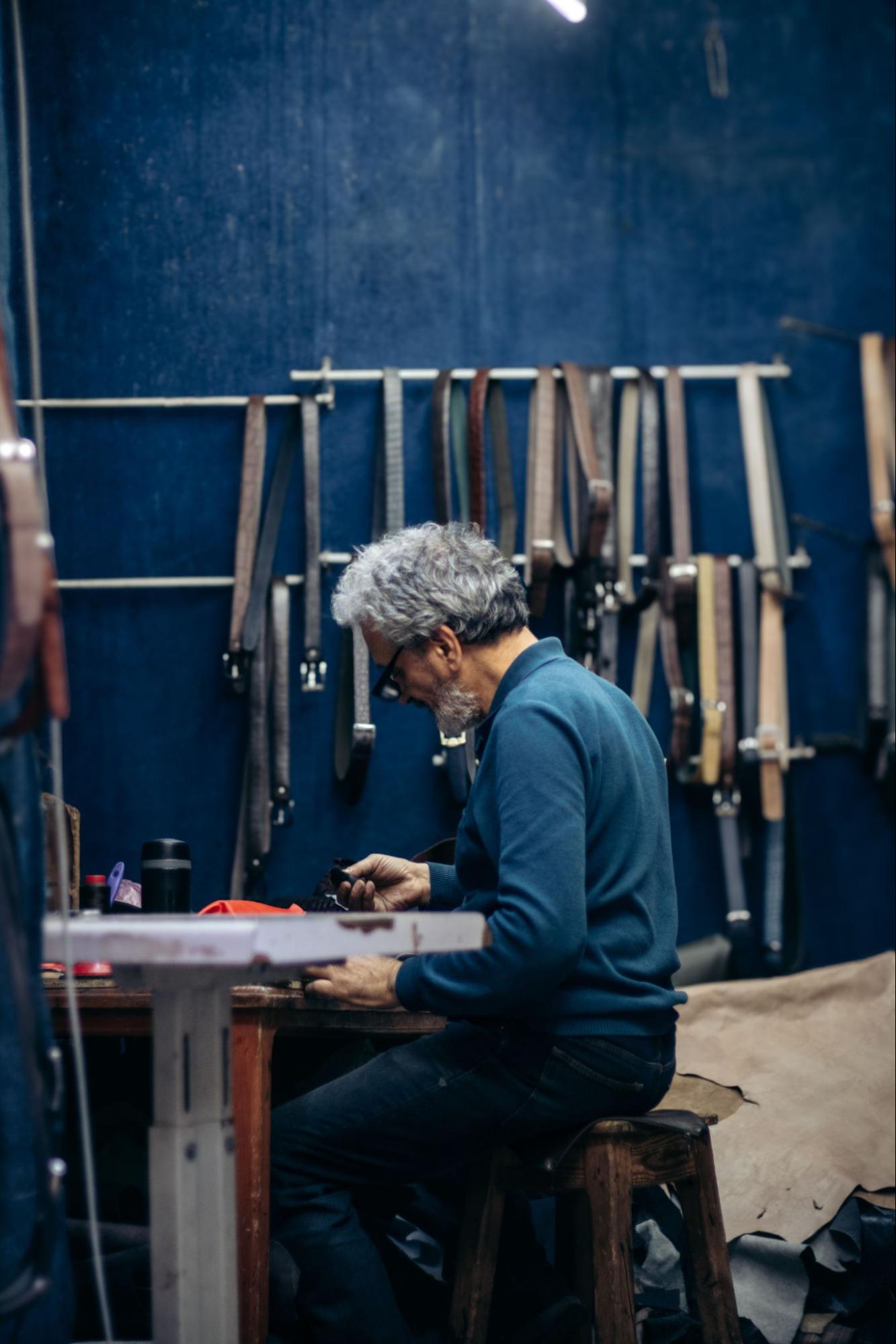
Handmade, not manufactured — a leather workshop where the pace of production is dictated by the craft itself.
Many of the most interesting European brands are small by design, not because they haven’t scaled, but because their product depends on not scaling past a certain point.
A perfumer using rare regional botanicals can only source so much. A ceramicist working by hand produces a finite number of pieces. A textile brand using traditional looms works at a pace the process dictates. These constraints aren’t inefficiencies — they’re the reason the product is what it is.
Supporting these brands does something beyond getting a better product. It keeps alive a set of skills, techniques, and regional knowledge that disappears quickly when demand shifts toward cheaper alternatives. The EU itself has recognised this, promoting responsible business conduct and supply-chain transparency as part of its broader trade and sustainability framework.
When a small European brand closes because it can’t compete on price with mass-produced alternatives, the knowledge it held often goes with it.
How to Tell a Strong European Brand From a Weak One
“European” alone isn’t a quality mark. Here’s what to actually look for:
- 1Ingredient or material transparency: Can they tell you specifically what's in the product and where it came from? Vague terms like "natural" or "premium" without specifics are a warning sign.
- 2Production honesty: Do they say where and how things are made, including subcontractors? Brands with nothing to hide tend to show their process.
- 3Longevity design: Is the product designed to be repaired, resoled, refilled, or kept? Or does the brand release a new version every season?
- 4Certifications with teeth: GOTS for organic textiles, OEKO-TEX for chemical safety, B Corp for overall accountability, EU Ecolabel for environmental performance. These are independently verified, not self-declared.
- 5Local reputation: Is the brand trusted at home? A brand well-regarded in its own country for years is a better signal than one with a polished international presence and no track record.
For more on what EU vs US cosmetic regulations actually mean in practice, or what European organic certifications genuinely require, those posts go deeper on the specifics.
Final Thought
Buying European isn’t a political position or a strict rule. It’s a useful filter, one that, applied thoughtfully, tends to surface products made with more care, held to higher standards, and built to last longer than the global average.
The brands worth finding aren’t the ones with the biggest international presence. They’re often the ones that have been trusted locally for years, made something specific to where they come from, and never needed to shout about it.
That’s what we look for at Euspree. Here’s how we choose the brands we feature, and if you’re ready to start exploring, browse the full directory.
Explore European brands curated for quality and local identity Every brand in our directory has been chosen for craftsmanship, thoughtful production, and that hard-to-define “wow” factor. Here’s how we decide which ones make the cut. Explore the directory ↗