European skincare brands can open up a different corner of the beauty shelf, from Greek botanical stories to Danish oils and Polish formulas. The harder part is understanding what the label actually promises when it says natural, organic, or vegan.
This guide starts with three brands already featured on Euspree: ECOOKING, KORRES, and Veoli Botanica. They are useful discoveries for US shoppers, but they should not be grouped together as wholly certified organic skincare brands. An organic ingredient, a botanical brand story, and a finished-product certification are different pieces of information.
Three European skincare brands to explore
| Brand | Origin | A starting point | What to check |
|---|---|---|---|
| ECOOKING | Denmark | Oils and everyday skincare | The exact variant, fragrance, and ingredient claim |
| KORRES | Greece | Botanical-focused skincare | Product ingredients alongside the sourcing story |
| Veoli Botanica | Poland | Face and body care | Formula details and the scope of vegan claims |
Euspree features brands that ship to the US. The available range and checkout conditions can still depend on the storefront and product, so select your destination before building an order.
ECOOKING: read the variant as carefully as the name
ECOOKING is a Danish skincare brand. Its Multi Oil offers a practical example of how to read an organic claim: the checked 300 ml listing identifies organic jojoba and sesame oils in the formula. That supports a statement about those ingredients, without establishing that every ECOOKING product is certified organic. See the official Multi Oil listing.
The same listing is a fragranced version, with perfume and named fragrance components in its ingredient list. An oil-based formula is not automatically fragrance-free, and an ingredient’s plant origin does not tell you whether it suits your preferences.
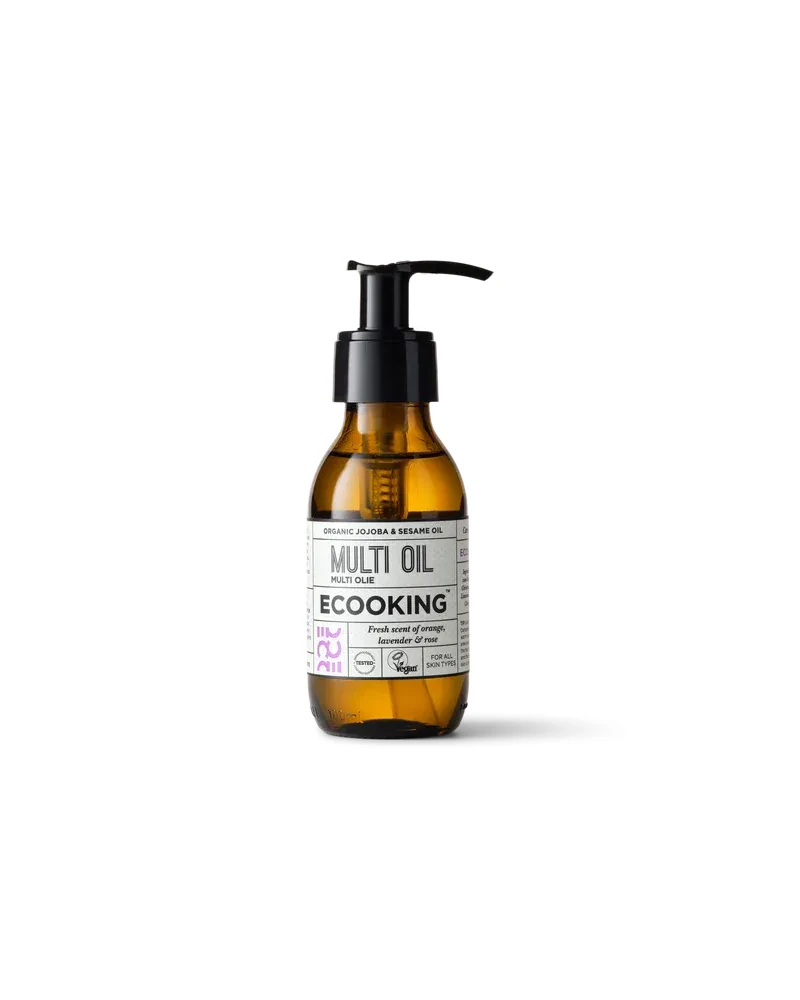
Before buying: confirm the size and variant, read the full ingredient list, and check live availability. The 300 ml fragranced listing was unavailable when checked on October 2, 2026. Other sizes or versions may have different details. If certification matters to you, look for a clearly identified standard on the exact product rather than inferring it from the brand name.
KORRES: a botanical story is a starting point
KORRES connects its Greek identity with plants, farmers, and botanical extraction. Its official story discusses relationships with organic growers. That provides sourcing context, but it does not establish that every finished KORRES cosmetic is organically certified. Read KORRES’ brand story.
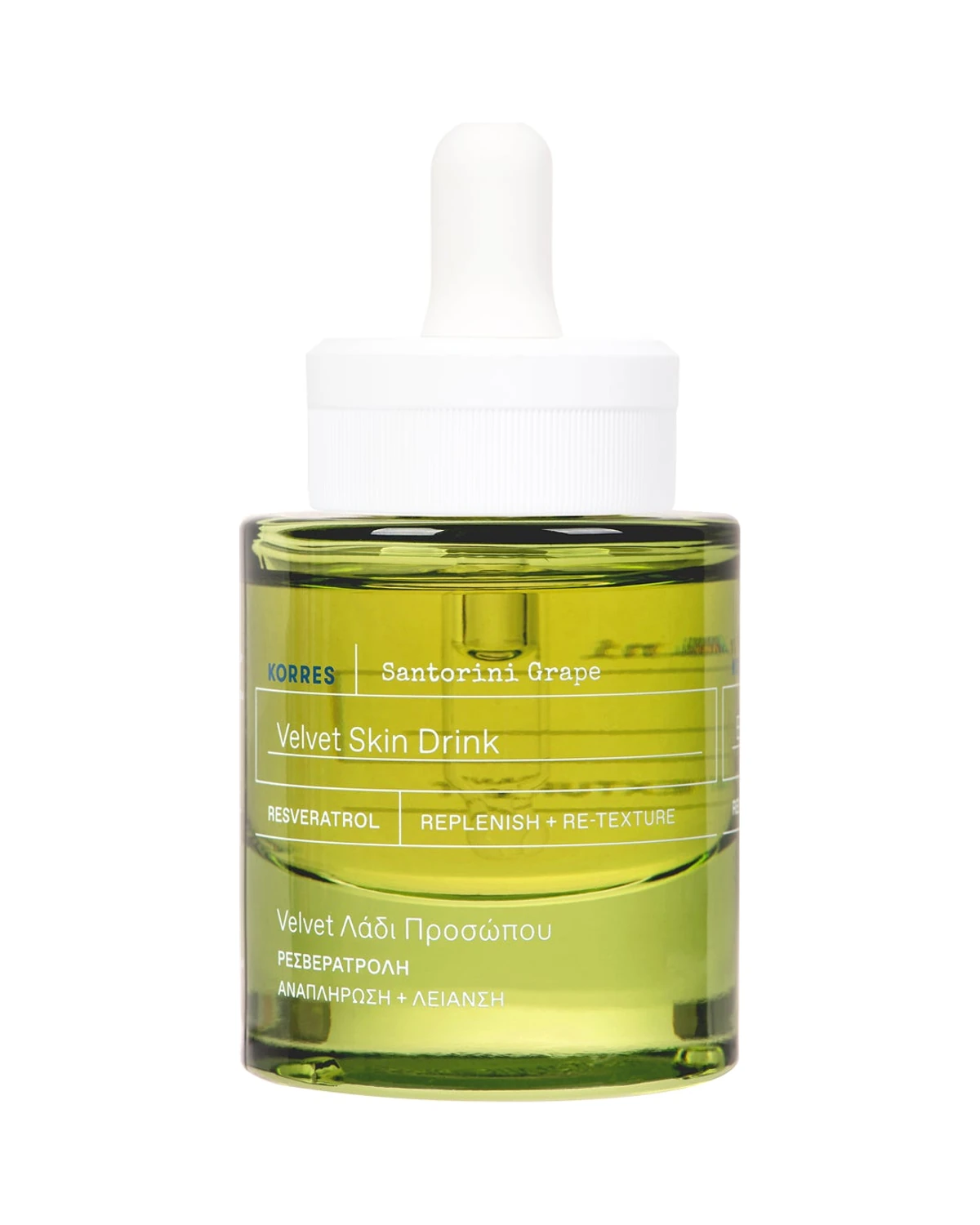
The Santorini Grape Velvet Skin Drink is one product to browse if you are interested in the brand’s grape-focused range. Treat its product page as the place to check the format, directions, and ingredients, rather than assuming a grape-themed name describes the whole formula. View the official product page.
Before buying: decide what type of product you want, then compare listings within that category. A face oil and a moisturizer serve different shopping preferences; an attractive ingredient story should not make that choice for you. Read the directions and any warnings for the actual product.
Veoli Botanica: separate vegan from organic
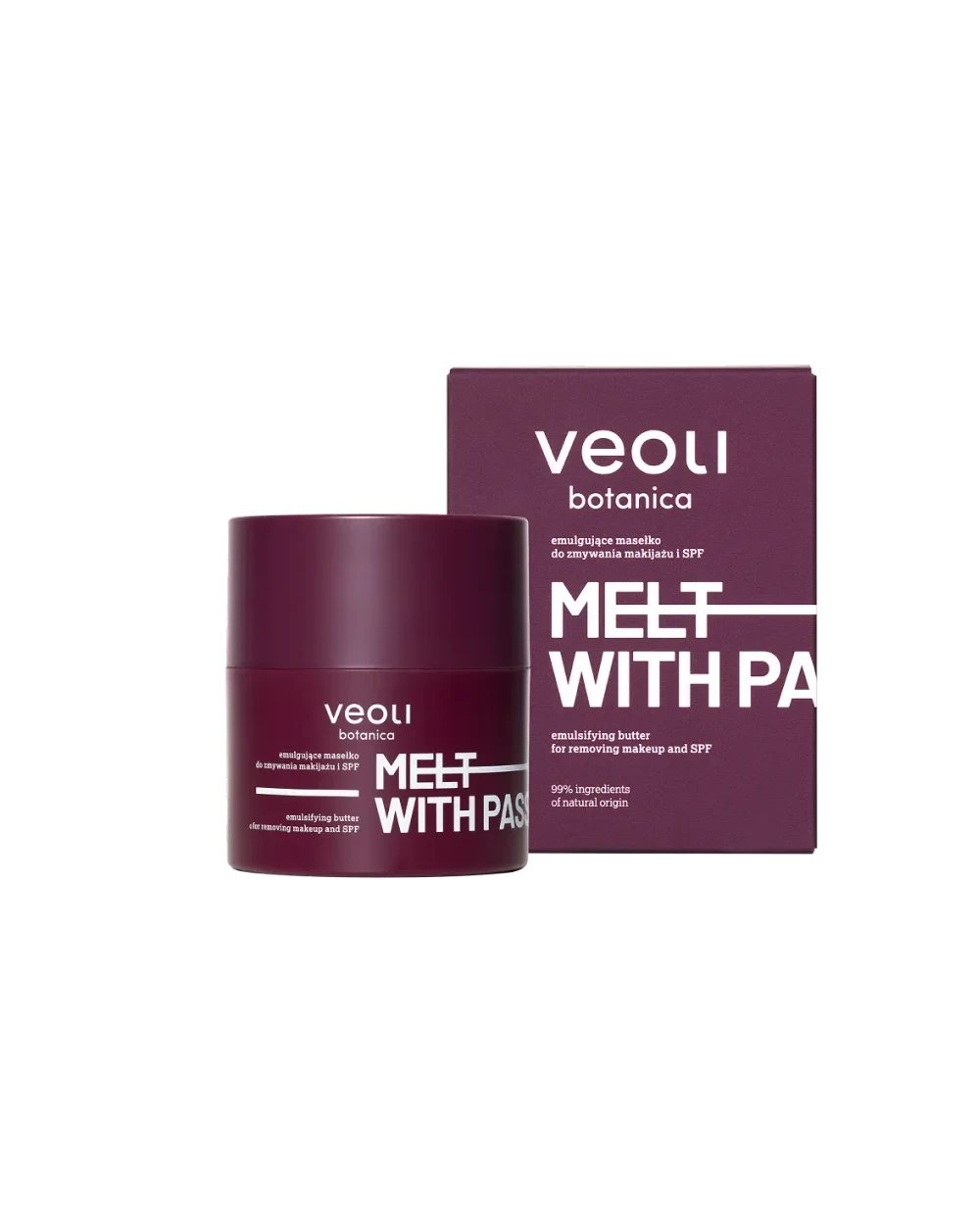
Veoli Botanica is a Polish brand with face and body care in its official English-language catalog. Its FAQ describes the products as vegan and free of ingredients of animal origin. That is a claim about animal-derived ingredients, rather than evidence of organic farming or a finished-product organic certificate. Explore Veoli Botanica’s catalog and FAQ.
Use the catalog to compare concrete product types such as cleansing formats and body oils. Product names can be memorable, but the useful details are the directions, full ingredients, pack size, and any certification shown for that particular item.
Before buying: check whether the catalog offers a complete ingredient list and clear US delivery terms for your order. A vegan statement can answer one question on your checklist while leaving questions about fragrance, organic content, or independent certification open.
Natural, organic, botanical, and vegan: what each tells you
| Wording or label | What it can tell you | What it does not establish by itself |
|---|---|---|
| Contains an organic ingredient | A claim about a named ingredient's agricultural origin | That the whole finished cosmetic is certified organic |
| Natural or botanical | A description of ingredients or brand positioning | A universal safety guarantee or a finished-product organic certificate |
| Vegan | A claim concerning ingredients of animal origin | Organic production, overall environmental performance, or a separately verified animal-testing policy |
| COSMOS ORGANIC | Certification under the COSMOS organic cosmetics standard | That every product made by the brand holds that certificate |
| COSMOS NATURAL | Certification under the COSMOS natural cosmetics standard | The same organic requirements as COSMOS ORGANIC |
COSMOS ORGANIC and COSMOS NATURAL are distinct certification categories. Check the exact label and the product’s certification information. A certification body’s name, such as Ecocert, should be read together with the standard it is certifying. Read COSMOS’ certification guidance.
Another easy mix-up concerns the EU’s green organic leaf. It is used for eligible organic agricultural products and food, and cannot be used on finished cosmetics. A European face cream should not be treated as certified organic simply because you recognize that logo from a food label. See the European Commission’s organic-logo rules.
How to compare a skincare product before ordering
Start with the job and the format
Choose the category you are looking for: cleanser, moisturizer, oil, or another clearly described format. Compare products doing the same job before weighing their ingredient stories. Read the manufacturer’s directions, including whether a product is rinsed off or left on.
Read the entire ingredient list
A highlighted botanical is only one part of a formula. Check the full list, including fragrance if that matters to your shopping preferences. Natural origin does not mean a product cannot cause irritation or an allergic reaction, and an organic claim does not establish suitability for everyone.
Match the claim to its evidence
Look for the named ingredient, stated organic percentage where provided, exact certification, and the product covered. If the listing only says “with organic oils,” keep your conclusion at that level. Ask the brand for clarification when a badge or claim is difficult to interpret.
Check the US version and checkout
Make sure the listing is the version offered to US customers. Confirm shipping, duties, currency, and the return conditions for opened or sealed cosmetics before ordering. Availability can differ by size and variant.
Does European origin mean stricter skincare standards?
The governing rules depend on the market where a product is sold, rather than the nationality of its brand. A Greek, Danish, or Polish label can sell products in several markets, each with its own requirements. Certification and cosmetic regulation also answer different questions.
Our EU vs US cosmetic regulations guide explains the safety framework, while our European sustainability explainer helps you interpret broader environmental claims.
Choose a European skincare brand because its products and information suit what you are looking for. Then check the exact formula and claim. That gives you a more useful basis for a purchase than putting every botanical bottle into the same organic category.