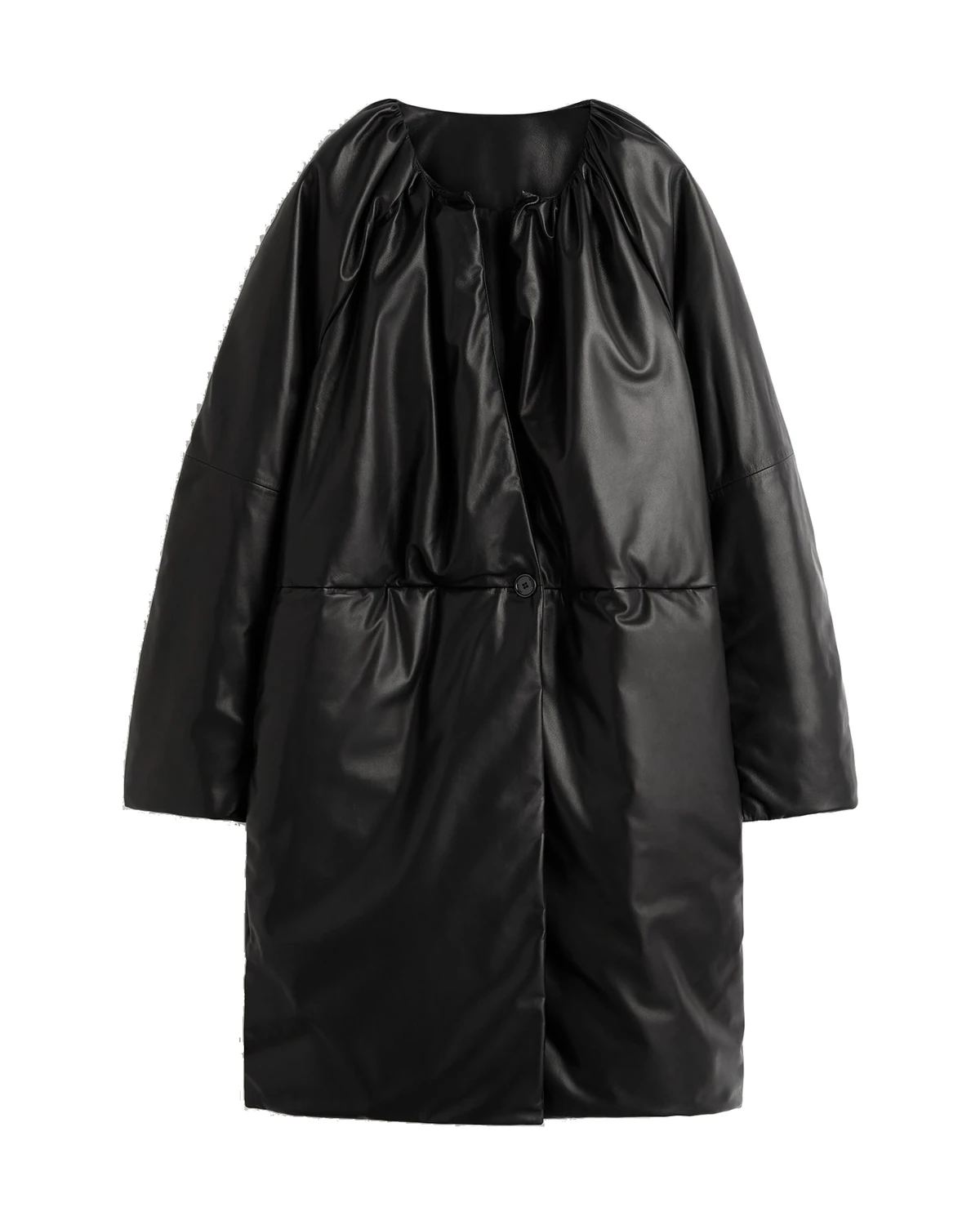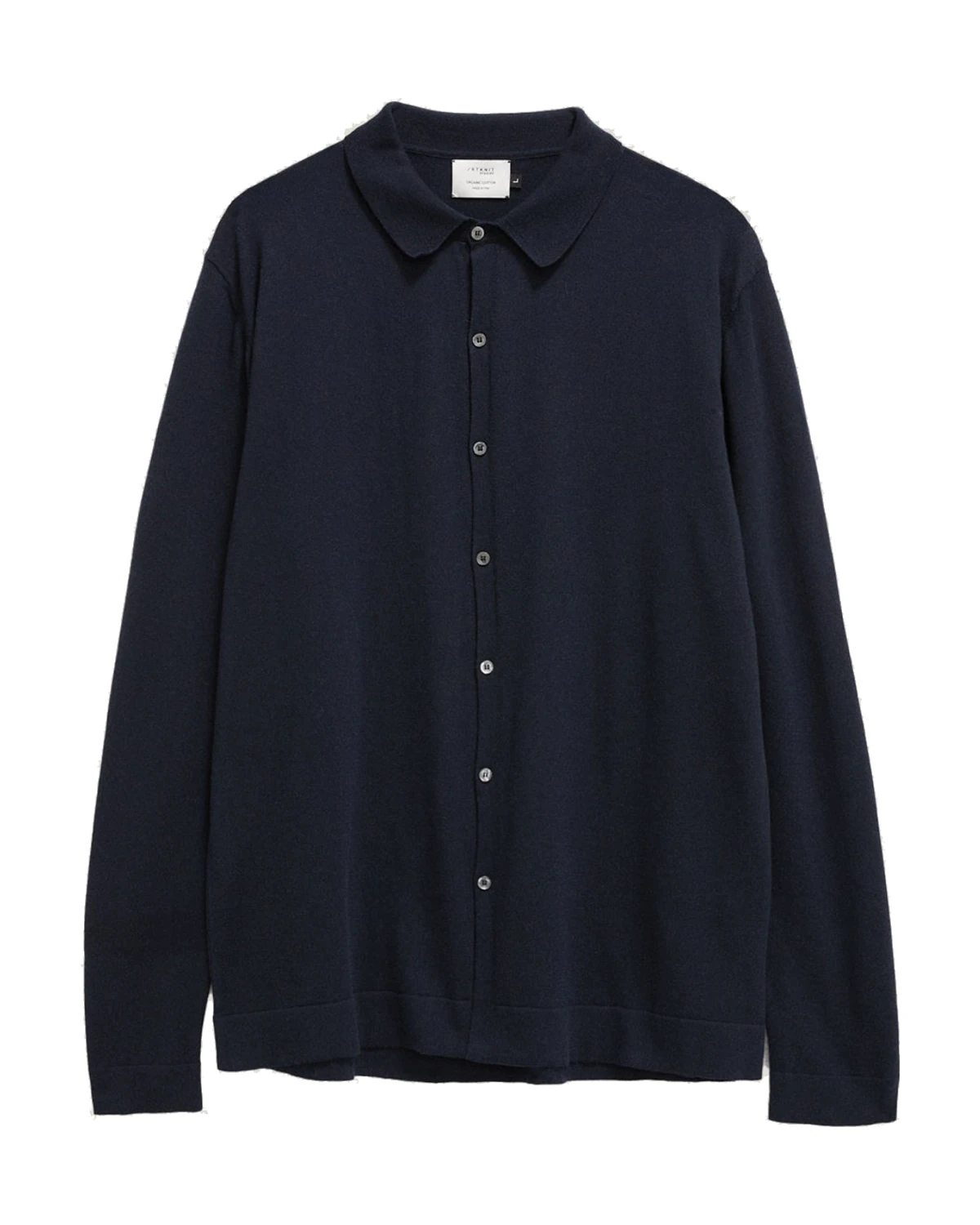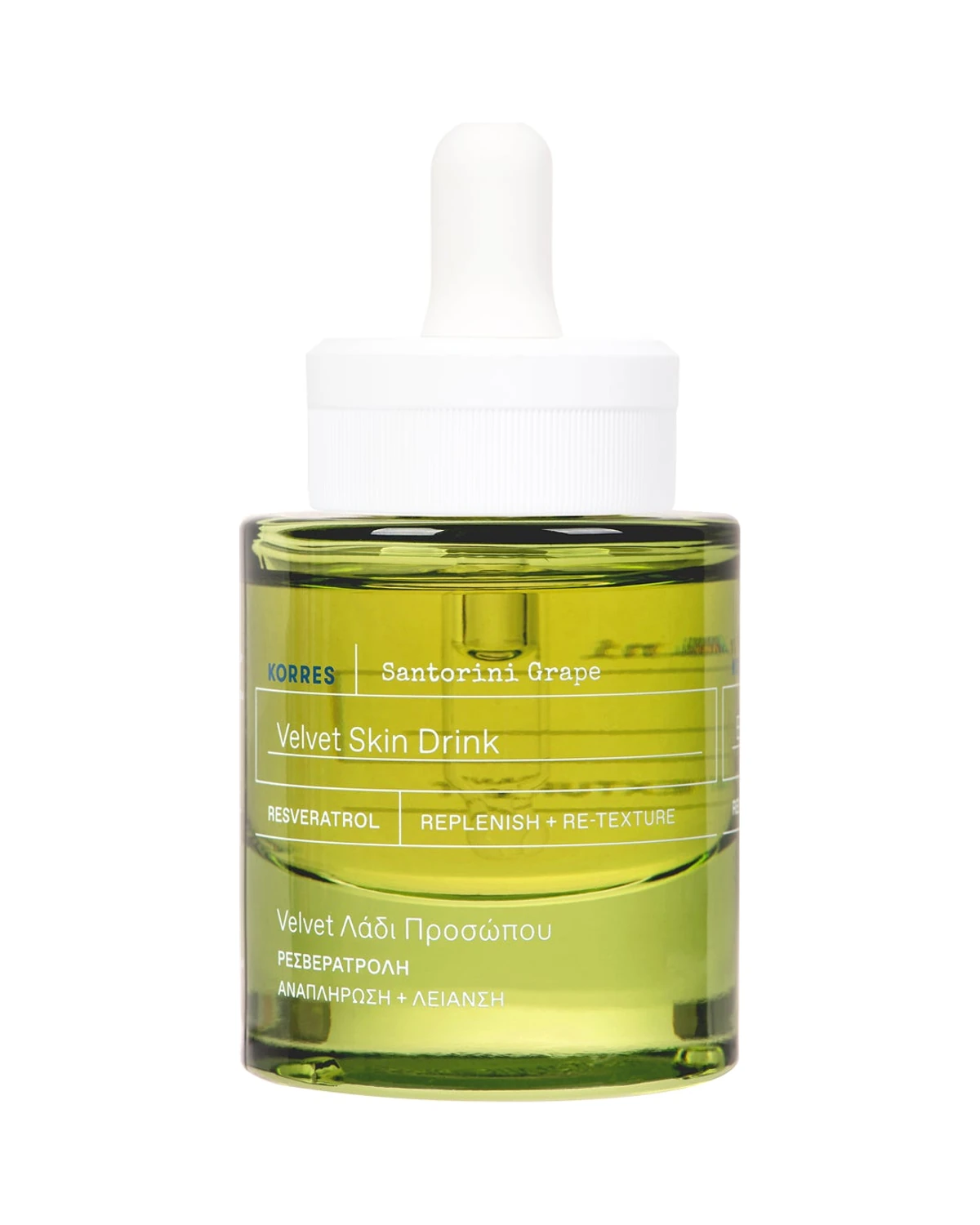

Are European brands more sustainable? A brand’s home country cannot answer that on its own. An Italian workshop, a Danish responsibility report, or a Polish label using European materials can provide useful context, but each still needs evidence at the product and company level.
EU rules are part of that context. They can regulate claims, chemicals, waste, and product requirements, with different scopes and application dates. They do not award every European brand a sustainability certificate, and they do not all apply only to companies founded in Europe.
For US shoppers, the useful approach is to separate three things: what a company says, what the exact product shows, and what the relevant law currently requires.
Reviewed October 2, 2026. Dates below describe the EU rules and official work plan, rather than a guarantee of compliance by any particular brand.
What EU rules actually tell you in 2026
| Rule or framework | Position as of October 2, 2026 | What it means for a shopper |
|---|---|---|
| Rules on environmental claims under Directive (EU) 2024/825 | Implementing national measures have an application date of September 27, 2026 | Certain misleading claims and unsupported sustainability labels are targeted |
| Ban on destroying unsold apparel, clothing accessories, and footwear | Applies to large companies from July 19, 2026, with defined exceptions; medium-sized companies follow in 2030 | A waste-management requirement, rather than certification of an individual garment |
| Ecodesign for Sustainable Products Regulation, or ESPR | A framework with requirements developed for specific product groups | The framework is not a universal current durability standard for every garment |
These rules answer different questions. A clearer advertising claim, a ban on destroying stock, and a product-design requirement should not be treated as interchangeable evidence.
Environmental claims: ask what the promise covers
Directive (EU) 2024/825 addresses misleading environmental marketing. The revised rules target generic environmental claims where recognized excellent environmental performance cannot be demonstrated, and sustainability labels that are not based on a certification scheme or established by public authorities. They also address claims about an entire product when the evidence concerns only one aspect. See the Council’s explanation of the adopted rules.
The European Commission identifies September 27, 2026 as the application date for the new rules. As a directive, it operates through national implementation. That date should not be turned into a claim that every brand’s marketing has been checked or that enforcement is identical everywhere. See the Commission’s implementation guidance.
For shopping, the useful habit is simple: ask what the claim covers. Does “recycled” describe the garment, a small component, or the shipping box? Does a stated company target describe a future ambition or an achieved result? Keep the answer as narrow as the evidence.
Unsold clothing: a specific waste rule
From July 19, 2026, large companies across the EU are prohibited from destroying unsold clothes, clothing accessories, and footwear, subject to defined exceptions. Medium-sized companies become subject to the ban in 2030, while small and micro enterprises are exempt. Read the European Commission’s announcement and its explanation of the exceptions.
This changes the treatment of unsold stock for businesses within scope. It does not establish a particular coat’s carbon footprint, the conditions in its factory, or the number of years it will last. A company can be subject to a waste rule while a shopper still needs separate information about its products.
Ecodesign: distinguish the framework from future requirements
The ESPR creates a framework for product-specific ecodesign requirements. It is important to distinguish that framework from requirements that have already been developed and brought into application for a particular category.
The Commission’s 2025–2030 work plan lists 2027 as the indicative adoption year for textiles and apparel measures. Adoption and application are separate steps, and an indicative work-plan date is not a present requirement for every item of clothing. Read the official Ecodesign and Energy Labelling Working Plan.
For now, do not assume that an EU brand’s shirt has passed a universal ESPR durability test. Look at the actual materials, construction information, care instructions, and any specific test or certification the seller identifies.
Certifications: useful when you read their scope
| Certification | What it addresses | What you should not infer |
|---|---|---|
| OEKO-TEX STANDARD 100 | Testing textiles for harmful substances under the standard | That a product is organically farmed or that every labor practice in the brand is certified |
| GOTS | A defined organic textile processing and supply-chain standard, with environmental and social criteria | That every item made by the company is GOTS certified |
| B Corp | Company-level certification against B Lab's requirements | A product-specific low-carbon label or a guarantee about every individual item |
Check the exact product label and certification details, including the relevant certificate or license where available. A badge on an “about us” page may describe the company, a facility, or a limited product range. OEKO-TEX explains STANDARD 100, GOTS sets out its key features, and B Lab explains B Corp certification.
How to compare a European brand’s evidence
Begin with the exact product
Read the fiber composition and any statement about production location. “Designed in Sweden” and “made in Italy” answer different questions. Neither statement, by itself, establishes the environmental performance of the whole product.
Check what the company discloses
Look for dated reports, supplier information, named standards, and measurable results. A report can be informative while still leaving gaps. Where a number is presented, check the year, the activity covered, and whether it describes a target or an achieved result.
Check services for your location
A repair or resale program is more useful to you if it accepts US customers and the item you plan to buy. Check the service area, price, and return shipping arrangements. Do not count a European-only service as part of a US purchase without confirmation.
Think about use and care
Consider whether the item works with your wardrobe, whether its care routine is practical, and whether you know how to maintain it. These are useful purchasing questions without attaching an unsupported percentage reduction in environmental impact to an extra year of wear.
Keep price separate from proof
A higher price can reflect design, materials, labor, distribution, or branding. It is not a sustainability certificate. Compare the evidence for the actual product instead of treating luxury pricing as a substitute for information.
Where Euspree’s brand guides fit
Our Scandinavian fashion guide introduces style directions and points you toward brand resources. Our European clothing guide helps you choose a practical starting category. Neither guide treats European nationality as a guarantee of sustainability.
Beauty claims need the same attention to scope. An organic ingredient is different from a certified finished cosmetic, as our European skincare guide explains.
European brands can offer worthwhile products and useful disclosure. EU rules can improve the information and practices surrounding those products. To decide what deserves a place in your home, match each claim to evidence for the exact item and check how the relevant service or rule applies.