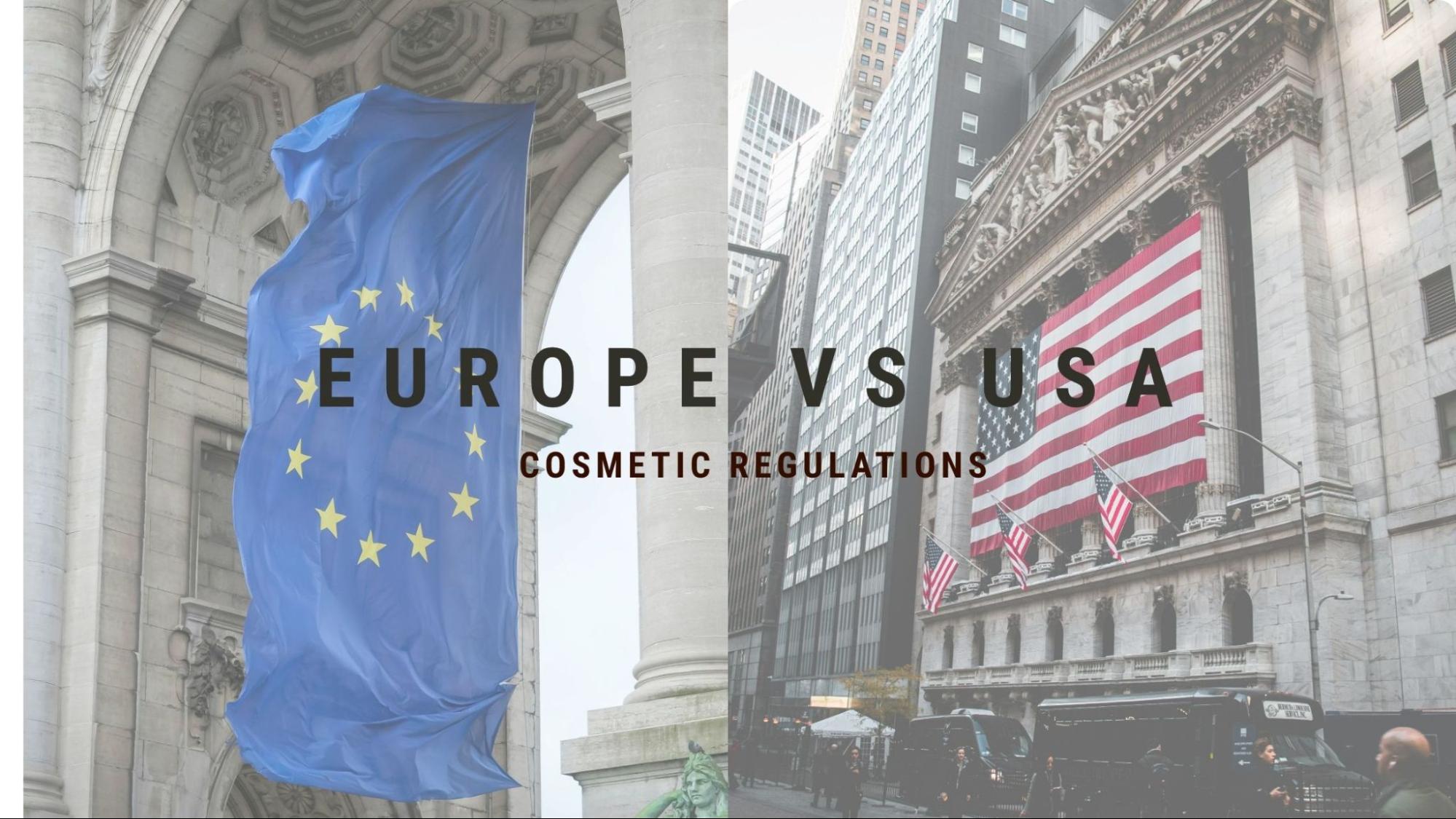
TL;DR: The EU bans or restricts over 1,400 cosmetic ingredients. The US restricts around 30. That gap is real, structural, and directly affects the products on your bathroom shelf, but it doesn’t mean every European product is safe or every American one is dangerous. Here’s what the difference actually means in practice.
You’ve probably seen it framed as a simple story: Europe is strict, the US is lax; therefore, buy European. The reality is more layered than that and more interesting.
The regulatory gap between the EU and the US is genuine and significant. But understanding why it exists, and what it does and doesn’t tell you about a specific product, is what actually helps you make better choices.
The Core Difference: Two Philosophies of Safety
The EU and US don’t just have different rules; they have different underlying philosophies about how safety should work.
EU approach Precautionary principle If there is reasonable evidence that an ingredient could cause harm, it gets restricted or banned before it reaches the market, even if definitive proof of harm is still being established. Prevention comes first.
US approach Evidence-based model Ingredients remain permitted until there is sufficient proof of harm to justify action. The burden of proof has traditionally sat with regulators, not with brands.
Neither approach is irrational. The precautionary model catches potential risks earlier but can restrict ingredients that later prove harmless. The evidence-based model avoids over-restriction but can leave consumers exposed to risks while evidence accumulates. What matters is understanding which system produced the product you’re holding.
The EU Approach: What It Actually Requires
1,400+ Substances banned or restricted under EU regulation
~30 Ingredients restricted in the US
2022 Year MoCRA was signed into US law

The EU’s cosmetic framework is governed by EU Cosmetics Regulation No. 1223/2009 — one of the most comprehensive cosmetic safety frameworks in the world.
What it restricts: The EU CosIng database, the official EU ingredient registry, lists over 1,400 substances that are banned or restricted in cosmetics sold in the European market. This includes certain parabens, formaldehyde-releasing preservatives, specific UV filters, and numerous fragrance allergens permitted elsewhere.
What is required before a product reaches shelves:
- A mandatory safety assessment conducted by a qualified cosmetic safety assessor
- A Product Information File (PIF) containing full formulation, safety data, and manufacturing information
- A designated "Responsible Person," a legal entity within the EU that takes regulatory accountability for the product
- Full ingredient labelling in descending order of concentration, including fragrance allergens above a threshold concentration
Animal testing: The EU ban on animal-tested cosmetics is one of its most significant provisions. Under EU law, cosmetics tested on animals cannot be sold in the EU — even if testing occurred outside Europe. This has pushed a significant portion of the industry toward alternative testing methods ahead of most other markets.
Ongoing updates: The EU framework is actively maintained. The Scientific Committee on Consumer Safety (SCCS) regularly reviews new evidence and updates the restricted substances list, meaning the regulatory floor rises over time.
The US Approach: What MoCRA Changed
For most of its history, US cosmetic regulation was governed by the Federal Food, Drug, and Cosmetic Act of 1938 — legislation that had barely been updated in over 80 years. Under that framework, the FDA had limited authority to require pre-market safety assessments, and companies largely self-regulated.
That changed significantly in 2022 with the Modernization of Cosmetics Regulation Act (MoCRA) — the most substantial reform of US cosmetic regulation in decades. Signed into law in December 2022, MoCRA introduced:
- Mandatory facility registration: Cosmetic manufacturers and distributors must register with the FDA
- Product listing requirements: Brands must list their products and ingredients with the FDA
- Serious adverse event reporting: Companies must report adverse events to the FDA within 15 days
- Safety substantiation: Brands must maintain records demonstrating their products are safe
- Enhanced FDA recall authority: The FDA can now mandate recalls, which was not previously possible
This is a meaningful shift. MoCRA moves the US meaningfully closer to a pre-market accountability model. But it still doesn’t require pre-market approval before a product reaches shelves, and the restricted ingredients list remains far shorter than the EU’s, around 30 substances compared to over 1,400.
Side by Side: How the Two Systems Compare
| Criteria | EU | US (post-MoCRA) |
|---|---|---|
| Regulatory philosophy | Precautionary: restrict before proof of harm | Evidence-based: act after proof of harm |
| Banned/restricted ingredients | 1,400+ | ~30 |
| Pre-market approval | Mandatory safety assessment required | Not required |
| Animal testing | Banned, including products tested abroad | Permitted in some contexts |
| Ingredient labelling | Full list required, allergens flagged | Full list required (strengthened by MoCRA) |
| Responsible party | Designated EU Responsible Person required | Manufacturer/distributor |
| Recall authority | Regulatory authority to mandate recalls | Now possible under MoCRA |
| Fragrance allergen disclosure | Required above threshold concentrations | Not specifically required |
| Regulatory updates | Actively maintained via SCCS reviews | Evolving under MoCRA implementation |
What This Means for the Products You Buy
“Two products from the same global brand can have meaningfully different formulations depending on where they’re sold, because meeting EU standards sometimes requires reformulating entirely.”
This isn’t theoretical. Several major global brands maintain separate EU and non-EU formulations for products containing ingredients restricted in Europe. When a brand sells into the EU market, it must either reformulate or absorb the cost of compliance. Most large brands do both: reformulating some products and exiting others.
For consumers, this has a practical implication: a product bought in Europe from a global brand may genuinely differ from the same product bought elsewhere. The EU formulation had to clear a higher bar to reach the shelf.
Smaller, craft-focused European brands that sell exclusively or primarily in the EU formulate entirely within the EU framework from the start. They don’t maintain a parallel “less restricted” version. That’s one reason why buying European brands tends to correlate with stricter ingredient standards, even among brands too small to have international compliance departments.
What the Regulations Don’t Tell You
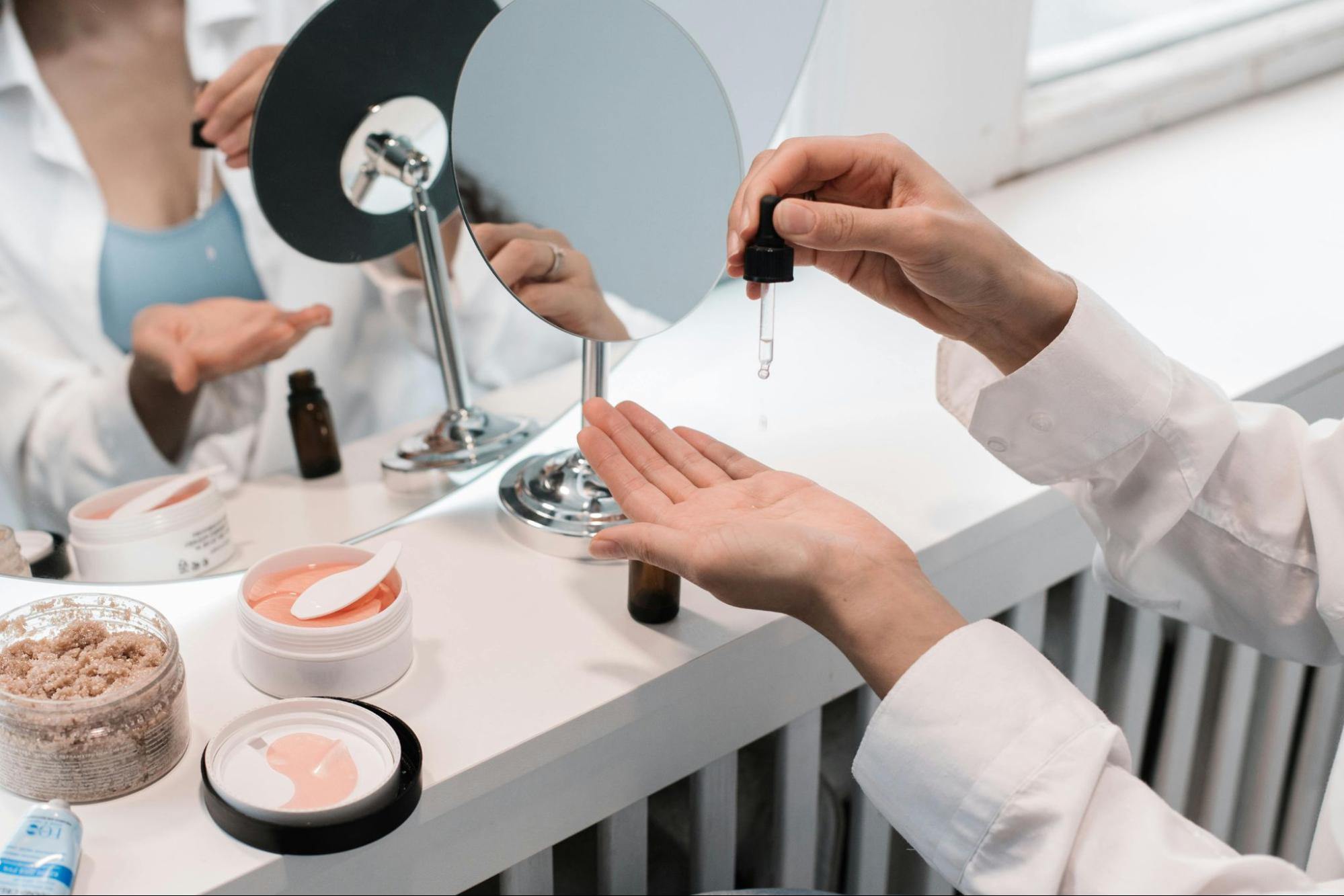
“Clean beauty” has no legal definition in either the EU or the US. Independent certifications, not marketing language, are the most reliable signal of what’s actually in a product.
Stricter regulation is not the same as better products, and there are a few things the EU/US comparison doesn’t settle.
“Clean beauty” is not a regulated term in either market. A brand can use “clean,” “natural,” “non-toxic,” or “green” on packaging in both the EU and the US without meeting any specific regulatory definition. These are marketing terms. The EU’s Empowering Consumers Directive (enforced from September 2026) will tighten this for general environmental claims, but “clean beauty” specifically remains undefined.
“Restricted” doesn’t always mean “dangerous.” Some EU-restricted ingredients have strong safety records; they’re restricted as a precaution rather than because harm has been established. Restriction reflects the EU’s risk philosophy, not always the ingredient’s actual safety profile.
Formulation matters beyond the ingredient list. The concentration of an ingredient, how it’s combined with others, and how a product is used all affect safety outcomes. Two products with identical ingredient lists can perform very differently depending on formulation quality.
Sustainability is a separate question. Stricter ingredient safety standards don’t automatically translate to more sustainable sourcing, less packaging waste, or better supply chain practices. For a fuller picture of how European brands approach sustainability beyond ingredient safety, the sustainability post covers the regulatory landscape in more depth. And for what European organic certifications actually require beyond standard regulation, that’s worth reading separately.
How to Actually Use This Information
When evaluating a cosmetic product, whether it’s European or not, the regulatory origin is a useful starting point, not a final answer. Here’s what to look at alongside it:
- Check the ingredient list: not just for banned substances but for transparency. Is the full list available? Are fragrance components disclosed beyond just “parfum”?
- Look for independently verified certifications: COSMOS (organic and natural cosmetics), ECOCERT, or BDIH are independently audited and go beyond baseline regulation in both markets.
- Research the brand’s formulation philosophy: do they disclose why they use or avoid specific ingredients? Brands that explain their formulation choices are generally more trustworthy than those that don’t.
- Consider the product category: regulation varies by product type. A rinse-off product (shampoo, cleanser) carries different risk profiles from a leave-on product (moisturiser, serum) that stays in contact with skin throughout the day.
- Be sceptical of marketing language: “EU-compliant” is not a differentiator; it’s the legal minimum for selling in Europe. Look for what a brand does beyond compliance.
COSMOS Organic and natural cosmetics, widely used across Europe
ECOCERT One of the oldest organic cosmetic certification bodies
BDIH German standard for controlled natural cosmetics
EU Ecolabel Applies to some cosmetic and personal care categories
Final Verdict
The EU is more restrictive, more precautionary, and requires more pre-market accountability than the US, and that gap, while narrowing with MoCRA, remains substantial. Over 1,400 restricted ingredients versus around 30 is not a minor difference in emphasis. It reflects a fundamentally different approach to where the burden of proof sits.
That said, the EU framework is a floor, not a guarantee of quality. And the US framework, post-MoCRA, is a meaningful step toward greater accountability, not the regulatory vacuum it’s sometimes characterised as.
The most useful takeaway isn’t “buy European” or “avoid American.” It’s to understand the system that produced a product, look beyond marketing language, and use independently verified certifications as your most reliable signal.
Browse European cosmetic and skincare brands Every brand in our directory formulates within the EU framework — higher ingredient standards, no animal testing, full label transparency. Explore the directory ↗